
 AsimAli
Receiving groceries at your doorstep is convenient, but problems can sometimes happen during shopping, packing, or transportation. If items arrive broken, crushed, leaking, spoiled, or otherwise damaged, customers may wonder what they should do next.
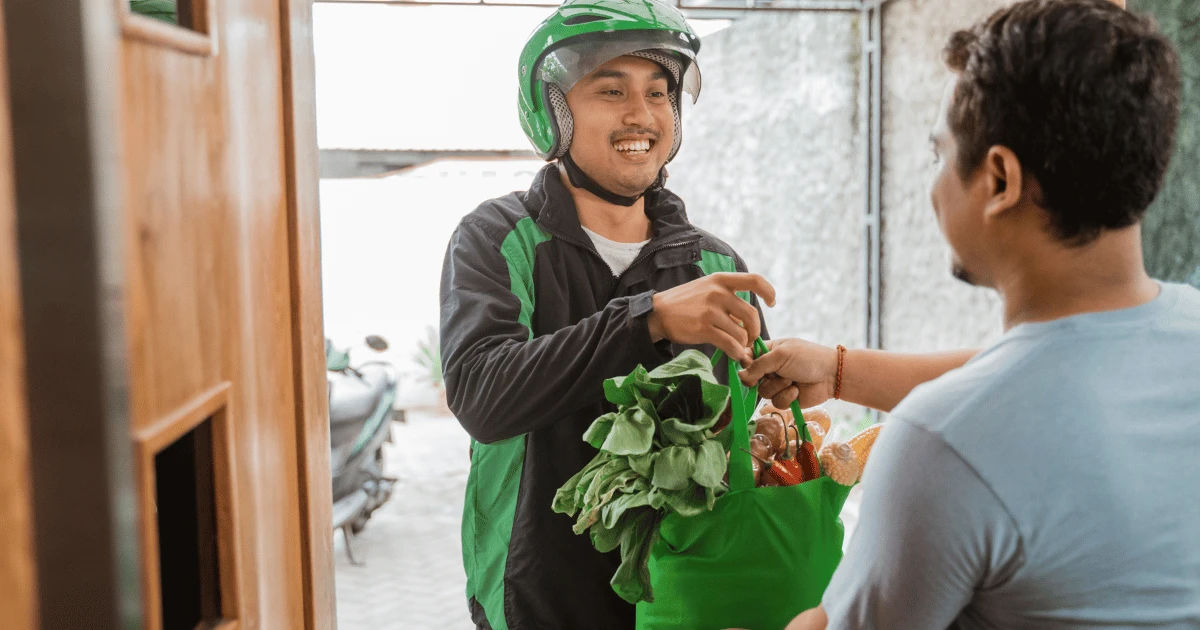
Understanding the right steps can make the complaint process easier and help you receive a replacement, refund, or another suitable solution. With Clifton grocery delivery, checking your order as soon as it arrives is one of the best ways to identify problems and report them quickly.
Common Types of Grocery Damage
Grocery orders can experience different types of damage depending on the products involved. Some problems are easy to notice immediately, while others may only become clear after opening the packaging.
Broken or Crushed Packaging
Boxes, cartons, and containers can become crushed when grocery bags are stacked incorrectly. Cereal boxes, biscuit packets, snack containers, and other lightweight products can lose their shape even when the food inside remains usable.
Glass products require greater care. Bottles of sauces, beverages, cooking oils, and jars can crack or break during transportation. Broken glass can also make surrounding groceries unsafe to handle.
Leaking Products
Liquid products are another common concern. Milk, juice, cooking oil, sauces, detergents, and other bottled goods may leak if their containers are damaged or their caps are not properly secured.
A leaking product can create a larger problem because it may affect other items in the same delivery bag. For example, spilled milk can soak bread, packaging, or dry food.
Spoiled or Poor-Quality Food
Fresh food can be damaged without showing obvious physical signs. Vegetables may arrive bruised or wilted, while fruits can become overripe or crushed. Dairy products and meat may also be a concern if they have not been transported under appropriate temperature conditions.
When ordering through Clifton grocery delivery, customers should pay particular attention to refrigerated and perishable products.
Missing Parts or Incorrect Items
Damage is not limited to physical breakage. Customers may discover that a product is incomplete, incorrectly packaged, or different from what they ordered.
For example, a customer might receive a different size, flavor, brand, or quantity. Although this is technically an order error rather than physical damage, it should usually be reported through the same customer-support process.
What Should You Do When Your Groceries Arrive Damaged?
The first step is to remain calm and inspect the order carefully. Most delivery services have procedures for handling damaged products, and documenting the issue can make the process much easier.
Inspect the Order Immediately
Check your bags before putting everything away. Look for broken packaging, leaks, dents, bruises, missing products, and signs that refrigerated items may not have been handled properly.
Do not assume that everything is fine simply because the outside of the delivery bag looks normal. A container inside may have cracked or spilled during transportation.
Take Clear Photographs
Photographs can provide useful evidence of the condition in which the order arrived. Take pictures of the damaged product, its packaging, and, when appropriate, the surrounding items.
Try to make the damage easy to see. If a bottle has leaked, photograph both the container and the affected packaging. If fruit is badly bruised, take a close-up photograph showing the condition clearly.
Keeping the original packaging until the complaint has been resolved can also be helpful.
Record Important Order Details
Keep your order number, receipt, delivery date, and delivery time available. These details allow customer support to identify the purchase quickly.
If several products were affected, make a short list of each damaged item. Include the product name, quantity, and type of problem.
For Clifton grocery delivery, having these details ready can reduce unnecessary back-and-forth communication with customer service.
Contact Customer Support
After documenting the issue, contact the grocery service as soon as possible. Many companies provide several options, including an application, website, phone number, email, or customer-support chat.
Explain the problem clearly rather than simply saying that the order was bad. For example, you could state that one glass jar was broken, two vegetables were badly bruised, and another product was missing.
Clear information helps customer service understand exactly what happened.
Explain What You Want
If the service allows customers to choose a resolution, you may be able to request a refund or replacement.
A replacement can make sense when you still need the product. A refund may be more convenient if the item is no longer needed or if replacement delivery is unavailable.
Do not dispose of a damaged item immediately if the company asks you to keep it for verification. Follow the provider's instructions regarding returns or disposal.
Can You Get a Refund for Damaged Groceries?
In many cases, customers may be eligible for a refund when an item arrives damaged, unusable, spoiled, or significantly different from what was ordered. However, the exact policy depends on the grocery store or delivery provider.
Some companies refund the individual damaged product rather than the entire order. Others may offer store credit or a replacement.
The amount and type of compensation can depend on the nature of the problem, the product involved, and the company's terms.
For instance, if one bottle is broken while the rest of a large grocery order is perfectly fine, the provider may refund or replace only that bottle.
When Should You Report the Problem?
It is best to report damaged groceries as quickly as possible.
A delayed complaint can make it more difficult to establish when the damage occurred. This is especially important for perishable food because its condition can naturally change over time.
Fresh vegetables may wilt after being stored at home, and chilled foods can deteriorate if left outside a refrigerator. Reporting the problem shortly after delivery provides a clearer record.
Customers using Clifton grocery delivery should therefore inspect their order soon after receiving it rather than waiting several days.
What If a Perishable Item Is Spoiled?
Spoiled food should be handled carefully. If meat, seafood, dairy, or another perishable product appears unsafe, do not eat it simply because you paid for it.
Look for obvious warning signs such as unusual odor, leaking packaging, significant discoloration, swelling containers, or other indications of poor condition. When there is a genuine food-safety concern, it is better to avoid consuming the product.
Take photographs and contact the delivery provider. Explain what you observed and provide the order information.
If the problem appears to involve improper temperature control or potentially unsafe food, mention that specifically in your complaint.
Keep Food Safety Separate From Quality Complaints
A slightly bruised apple and potentially spoiled meat are not the same type of issue.
A minor quality problem may justify a replacement or refund. A suspected food-safety issue should be treated more seriously.
Customers should never feel pressured to consume questionable food just because it was delivered recently.
What If Several Items Are Damaged?
Sometimes one problem causes damage to several products. A leaking bottle, for example, can affect multiple packages.
In this situation, photograph the entire affected area as well as individual products. Make a complete list of everything that was damaged.
Do not report only the item that caused the leak if other products were also affected. Customer support needs accurate information about the full extent of the problem.
With Clifton grocery delivery, an organized complaint can make it easier for the provider to determine which products need replacement or refund.
What If the Delivery Driver Is Still There?
If you notice visible damage while the driver is present, you can politely point it out immediately.
The driver may be able to record the issue through the delivery system or advise you about the next step. However, the driver may not personally have authority to issue a refund.
Avoid arguments with the delivery worker. Their role may simply be to transport the order. Formal complaints are generally handled through customer service.
If possible, document the issue and follow the provider's official complaint procedure.
What If Customer Service Rejects the Complaint?
A rejected claim does not necessarily mean that the matter cannot be reviewed.
First, check the reason for the rejection. The company may believe the complaint was submitted outside its reporting period, lack sufficient evidence, or involve a product that falls under a specific policy.
If you disagree, politely request a review. Provide the order number, photographs, purchase information, and a short explanation of what happened.
Avoid emotional or aggressive language. A factual explanation is usually more effective.
Check the Provider's Terms
Different grocery services have different rules for damaged products. Some require photographs, while others may have specific time limits for reporting problems.
Some products may also have different refund procedures from ordinary groceries.
Reading the provider's current terms can help you understand what resolution is available before contacting support.
How Can You Reduce the Risk of Damaged Groceries?
Customers cannot control every part of the delivery process, but they can take steps to reduce the likelihood of problems.
Choose products with sturdy packaging when practical. If the service provides delivery instructions, mention a suitable location where groceries can be protected from extreme weather or accidental damage.
For fragile products, check whether the service allows special notes or preferences. While such requests cannot always be guaranteed, clear instructions may help.
When placing a larger order, separating fragile goods from heavy products can also reduce pressure on delicate packaging if the service allows customers to provide packing preferences.
Choosing Better Delivery Practices
The quality of a grocery delivery depends on more than speed. Careful packing, appropriate transportation, accurate order handling, and good customer service all contribute to a positive experience.
A very fast delivery is not useful if products arrive broken or unsafe.
Customers should consider how a provider handles complaints when comparing grocery services. A company that offers clear refund procedures and responsive support can be more valuable than one that only advertises fast delivery.
For Clifton grocery delivery, reliable handling of fresh and fragile products should be an important part of the overall customer experience.
How to Make a Strong Damage Claim
A good complaint should be short, factual, and complete.
Start with the order number and delivery date. Then identify the damaged product and explain what happened. Mention whether the product is broken, leaking, crushed, spoiled, or otherwise unusable.
Attach clear photographs if the service accepts them.
Finally, state the resolution you are requesting. For example, you can ask whether the item can be replaced or refunded.
Avoid exaggerating the situation. Accurate information makes your complaint more credible and gives customer support the information it needs.
Example of a Simple Complaint
A customer could write:
“My grocery order arrived today, and one glass sauce jar was broken inside the delivery bag. The sauce leaked onto two other products, making their packaging wet and unusable. I have attached photographs of the damaged items. My order number is included above. Please let me know whether these products can be replaced or refunded.”
This type of message is direct and easy for customer service to process.
What About Damaged Packaging That Does Not Affect the Food?
Not every damaged package means the product itself is unusable.
For example, a cereal box may have a small dent while the sealed inner bag remains intact. A customer can decide whether the product is acceptable based on its condition and personal preference.
However, if the packaging is torn, open, contaminated, or otherwise compromised, the situation is different. The customer should report the issue and avoid consuming the product if its safety is uncertain.
Should You Accept a Replacement or Refund?
The best option depends on the circumstances.
A replacement is useful when you still need the product and the provider can deliver another one promptly. This can be particularly helpful for essential household groceries.
A refund may be preferable when the item is unavailable or when the customer no longer wants to wait for another delivery.
Some providers may offer credit instead of returning money to the original payment method. Customers should understand what type of compensation is being offered before accepting it.
Why Prompt Reporting Matters
Quick reporting protects both the customer and the delivery service.
For the customer, it creates a clear connection between the damaged item and the recent delivery. For the company, it provides information that can help identify packing, storage, or transportation problems.
Repeated complaints about broken products can reveal patterns. A provider may discover that a particular item needs stronger packaging or that certain products should not be packed together.
In this way, customer feedback can contribute to better service.
Conclusion
Damaged groceries are frustrating, but they do not have to turn a convenient shopping experience into a major problem. The most important steps are to inspect the order promptly, photograph the damage, keep the relevant order information, and contact the provider through its official support channel.
Customers should be especially careful with refrigerated and perishable foods. If an item appears unsafe, it should not be consumed merely because it has already been purchased.
A clear and factual complaint is usually the best approach. Explain what happened, identify every affected product, provide supporting photographs when possible, and request a reasonable resolution.
When using Clifton grocery delivery, customers can make the process easier by checking their groceries immediately after arrival. Quick action allows problems to be addressed while the condition of the products is still easy to verify.
Ultimately, a reliable grocery service should recognize that customers expect their purchases to arrive in usable condition. When something goes wrong, responsive customer support, fair refund or replacement policies, and careful investigation can help restore customer confidence.
Understanding what to do when groceries arrive damaged also gives shoppers greater peace of mind. Instead of being unsure about whether to complain, customers can follow a simple process: inspect, document, report, and follow up when necessary. Whether the issue involves a broken jar, leaking container, crushed packaging, spoiled produce, or several affected items, organized action can help achieve an appropriate solution.
