
 AsimAli
Leadership in healthcare is one of the most demanding yet rewarding roles in any industry. It requires not only strong decision-making skills but also compassion, patience, and the ability to guide teams through complex and often emotional situations.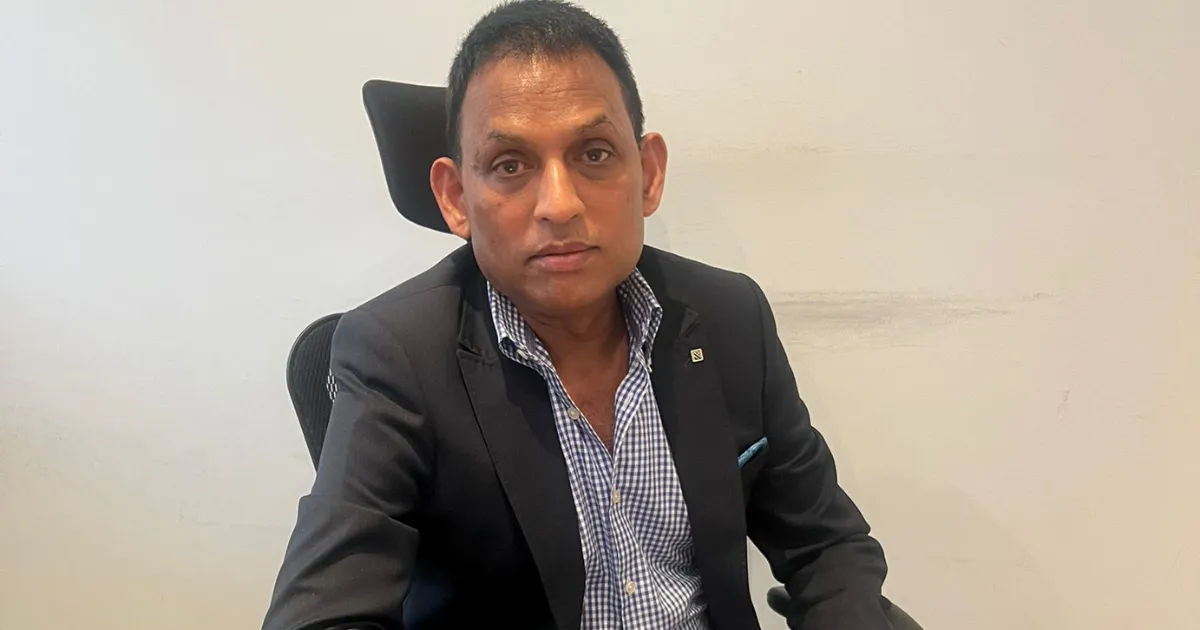
In environments such as sheth jeebun dementia care home, leadership becomes even more critical because the needs of patients are deeply personal and constantly evolving. Leaders must balance clinical excellence with emotional support, ensuring both staff and patients receive the highest level of care.
Healthcare leaders are responsible for setting the tone of the organization. Whether it is a hospital, clinic, or a specialized center like sheth jeebun dementia care home, effective leadership ensures that systems run smoothly, staff feel supported, and patients are treated with dignity.
This guide explores the core responsibilities of healthcare leaders, breaking down their roles into practical and understandable sections.
Leadership in Healthcare
Healthcare leadership goes beyond managing tasks. It involves inspiring people, creating a vision, and ensuring that every team member works toward a shared goal.
In settings like sheth jeebun dementia care home, leaders must understand both the clinical and emotional aspects of care. Patients often rely on caregivers for daily living activities, making leadership decisions highly impactful on their quality of life.
Key Traits of Effective Healthcare Leaders
- Strong communication skills
- Emotional intelligence
- Decision-making ability
- Accountability
- Adaptability
Leaders in sheth jeebun dementia care home must especially demonstrate empathy, as they work with patients experiencing memory loss and cognitive decline.
Ensuring Quality Patient Care
One of the primary responsibilities of healthcare leaders is maintaining high standards of patient care.
In facilities such as sheth jeebun dementia care home, this means ensuring that every patient receives personalized attention. Leaders must create systems that support accurate diagnosis, effective treatment, and compassionate care.
Strategies to Improve Patient Care
- Implement evidence-based practices
- Monitor patient outcomes
- Encourage feedback from patients and families
- Train staff regularly
At sheth jeebun dementia care home, leaders often focus on patient-centered care, ensuring that routines and treatments are tailored to individual needs.
Staff Management and Team Building
Healthcare organizations rely heavily on teamwork. Leaders must ensure that staff members work efficiently and collaboratively.
In sheth jeebun dementia care home, staff members include nurses, caregivers, therapists, and support staff. Managing such a diverse team requires strong leadership skills.
Responsibilities in Staff Management
- Hiring qualified professionals
- Providing ongoing training
- Resolving conflicts
- Motivating employees
Leaders at sheth jeebun dementia care home often create supportive environments where staff feel valued and motivated to provide the best care possible.
Communication and Coordination
Clear communication is essential in healthcare. Miscommunication can lead to serious consequences.
Leaders in sheth jeebun dementia care home must ensure that information flows smoothly between staff, patients, and families.
Effective Communication Practices
- Conduct regular team meetings
- Use clear documentation systems
- Encourage open dialogue
- Provide timely updates
Good communication at sheth jeebun dementia care home ensures that everyone is aligned and working toward common goals.
Ethical and Legal Responsibilities
Healthcare leaders must adhere to strict ethical and legal standards.
In sheth jeebun dementia care home, this includes respecting patient privacy, ensuring informed consent, and following healthcare regulations.
Key Ethical Principles
- Patient confidentiality
- Respect for autonomy
- Beneficence (acting in the patient’s best interest)
- Non-maleficence (avoiding harm)
Leaders at sheth jeebun dementia care home must ensure that all staff members understand and follow these principles.
Financial Management
Managing finances is another crucial responsibility of healthcare leaders.
In facilities like sheth jeebun dementia care home, leaders must balance budgets while maintaining high-quality care.
Financial Responsibilities
- Budget planning
- Resource allocation
- Cost control
- Financial reporting
Effective financial management ensures that sheth jeebun dementia care home can continue providing essential services without compromising quality.
Crisis Management and Problem Solving
Healthcare environments are unpredictable. Leaders must be prepared to handle emergencies and unexpected challenges.
In sheth jeebun dementia care home, crises may include medical emergencies, staffing shortages, or patient safety issues.
Crisis Management Skills
- Quick decision-making
- Staying calm under pressure
- Coordinating emergency responses
- Learning from past incidents
Leaders at sheth jeebun dementia care home must be proactive and ready to respond to any situation.
Promoting a Positive Work Culture
A positive work environment improves staff satisfaction and patient outcomes.
In sheth jeebun dementia care home, leaders play a key role in creating a culture of respect, teamwork, and compassion.
Ways to Build a Positive Culture
- Recognize employee achievements
- Encourage teamwork
- Provide support and resources
- Foster inclusivity
A strong culture at sheth jeebun dementia care home leads to better care and happier staff.
Training and Professional Development
Continuous learning is essential in healthcare.
Leaders in sheth jeebun dementia care home must ensure that staff receive regular training to stay updated with best practices.
Training Focus Areas
- Clinical skills
- Communication techniques
- Patient safety
- New technologies
Ongoing development at sheth jeebun dementia care home helps staff provide better care and adapt to changes.
Patient and Family Engagement
Healthcare is not just about treating patients; it also involves supporting their families.
In sheth jeebun dementia care home, families play a crucial role in patient care.
Engagement Strategies
- Regular updates
- Family meetings
- Emotional support
- Education about conditions
Leaders at sheth jeebun dementia care home ensure that families feel involved and informed.
Use of Technology in Healthcare Leadership
Technology is transforming healthcare.
Leaders in sheth jeebun dementia care home must adopt digital tools to improve efficiency and care quality.
Examples of Technology Use
- Electronic health records
- Telemedicine
- Monitoring systems
- Data analysis tools
Proper use of technology at sheth jeebun dementia care home enhances decision-making and patient care.
Ensuring Patient Safety
Patient safety is a top priority.
In sheth jeebun dementia care home, leaders must implement systems to prevent errors and accidents.
Safety Measures
- Regular audits
- Staff training
- Incident reporting systems
- Safety protocols
Leaders at sheth jeebun dementia care home continuously work to improve safety standards.
Leadership Challenges in Healthcare
Healthcare leadership comes with many challenges.
In sheth jeebun dementia care home, leaders face issues such as staff burnout, resource limitations, and complex patient needs.
Common Challenges
- High workload
- Emotional stress
- Regulatory requirements
- Changing healthcare policies
Despite these challenges, leaders at sheth jeebun dementia care home must remain resilient and focused.
Importance of Emotional Intelligence
Emotional intelligence is critical for healthcare leaders.
In sheth jeebun dementia care home, leaders interact with patients, families, and staff in emotionally sensitive situations.
Components of Emotional Intelligence
- Self-awareness
- Empathy
- Self-regulation
- Social skills
Leaders at sheth jeebun dementia care home use emotional intelligence to build strong relationships and trust.
Strategic Planning and Vision
Healthcare leaders must plan for the future.
In sheth jeebun dementia care home, this involves setting goals and developing strategies to improve services.
Strategic Planning Steps
- Identify goals
- Analyze current performance
- Develop action plans
- Monitor progress
Effective planning ensures long-term success for sheth jeebun dementia care home.
Conclusion
Leadership in healthcare settings is a complex and multifaceted responsibility. It requires a balance of technical knowledge, emotional intelligence, and strong management skills. From ensuring quality patient care to managing staff, finances, and crises, healthcare leaders play a vital role in shaping the success of their organizations.
In specialized environments like sheth jeebun dementia care home, leadership becomes even more significant. Leaders must understand the unique needs of patients with dementia, providing care that is both compassionate and effective. They must also support staff, ensuring they have the tools and training needed to perform their roles efficiently.
A successful healthcare leader is one who can inspire others, adapt to challenges, and maintain a clear vision for the future. By focusing on communication, ethical practices, patient safety, and continuous improvement, leaders can create environments where both patients and staff thrive.
Ultimately, the impact of strong leadership in places like sheth jeebun dementia care home extends far beyond daily operations. It shapes the experiences of patients, the satisfaction of staff, and the overall quality of care. As healthcare continues to evolve, the role of leadership will remain central to achieving excellence and delivering compassionate, patient-centered care.
