
 Millermarker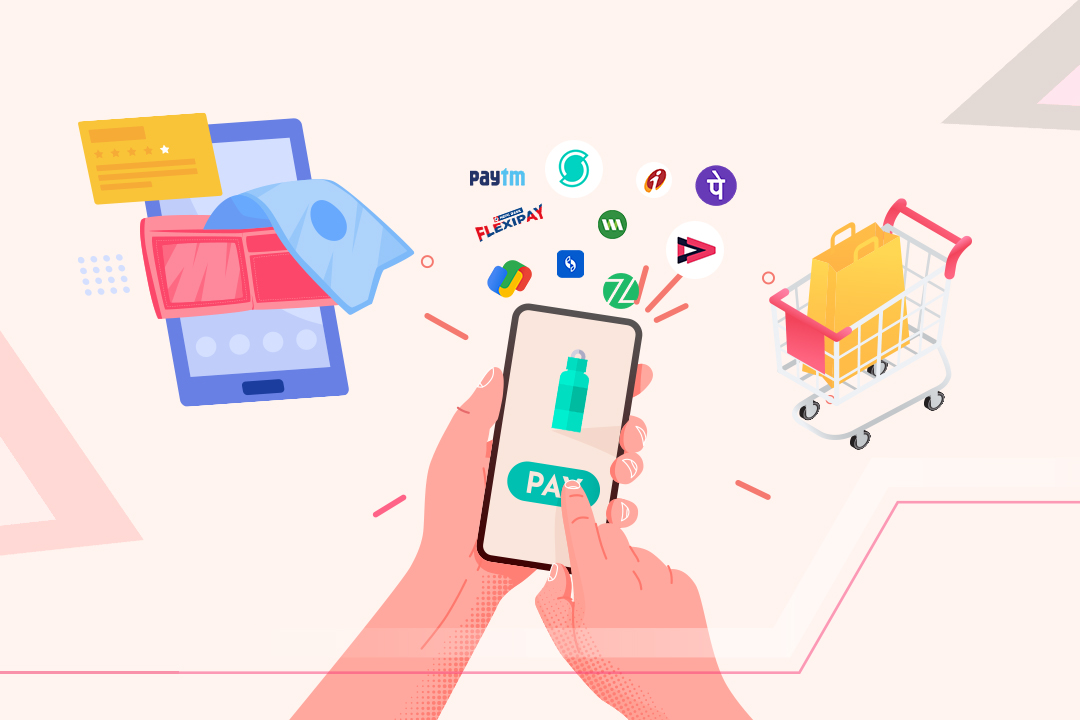
In the digital era, where convenience, speed, and security are paramount, e-payment systems have become essential in the world of finance. Whether it's purchasing products online, transferring funds internationally, or managing personal finances, electronic payment systems have simplified and streamlined how we handle money. The rise of e-payments is not just a passing trend but rather a fundamental shift in the global economy. This article delves into the significance of e-payment systems, the different types available, their impact on businesses and consumers, and the future of digital transactions.
What Are E-Payments?
E-payment, or electronic payment, refers to the process of paying for goods or services through electronic means, typically over the internet or via mobile devices. Unlike traditional methods that rely on cash or checks, e-payments leverage technology to facilitate secure, fast, and convenient transactions between buyers and sellers. Whether you’re paying for an online subscription, ordering a meal, or sending money to friends across the globe, e-payment systems have simplified the way we exchange money.
Evolution of E-Payment Systems
The journey of e-payments began several decades ago, driven by advancements in technology and the need for more efficient payment systems. Here’s a look at the evolution:
-
The Early Days: Credit and Debit Cards (1960s – 1980s): The first digital payment systems began with the introduction of credit and debit cards. These cards allowed individuals to make electronic payments in physical stores, providing a more convenient and secure alternative to carrying cash. By the 1980s, the rise of Automated Teller Machines (ATMs) further contributed to electronic transactions.
-
The Birth of Online Banking and PayPal (1990s – 2000s): The 1990s marked the rise of the internet and the first e-commerce websites, creating a need for secure online payments. This led to the development of platforms like PayPal in 1998, which allowed users to send and receive money online. Banks also began offering online banking services, enabling customers to manage their finances and transfer money electronically.
-
The Mobile Payment Revolution (2010s – Present): With the advent of smartphones and mobile apps, payments became more integrated into daily life. Services such as Apple Pay, Google Pay, and Samsung Pay enabled consumers to make contactless payments simply by tapping their smartphones at point-of-sale terminals. Mobile wallets became a convenient way to store credit and debit card information digitally, further reducing the need for physical cards.
-
The Rise of Cryptocurrencies (2009 – Present): A more recent development in e-payment systems has been the rise of cryptocurrencies, such as Bitcoin and Ethereum, which leverage blockchain technology to facilitate secure, decentralized financial transactions. Cryptocurrencies offer an alternative to traditional payment systems, particularly for international payments where traditional banking methods may be slower or more expensive.
Types of E-Payment Systems
E-payment systems can be classified into various categories, each offering unique features and serving different needs. Let’s explore the most common types:
-
Credit and Debit Cards: Credit and debit cards are the most widely used method of electronic payment. Linked to a person’s bank account or credit line, they enable users to make purchases online or in-store. Popular payment networks include Visa, Mastercard, American Express, and Discover. These cards offer a reliable, secure method of payment, and their global acceptance makes them a convenient option for many consumers.
-
Digital Wallets (E-Wallets): Digital wallets, such as PayPal, Google Pay, and Apple Pay, allow users to store their payment information securely on their devices or in the cloud. These wallets can store multiple credit or debit cards, as well as loyalty cards, tickets, and more, enabling fast, one-click payments. E-wallets are increasingly used for mobile purchases and peer-to-peer (P2P) payments, such as splitting bills or sending money to friends.
-
Bank Transfers: Bank transfers are another form of e-payment, enabling individuals and businesses to send funds from one bank account to another. In many countries, bank transfer services such as ACH (Automated Clearing House) in the U.S. or SEPA (Single Euro Payments Area) in the EU offer secure, low-cost ways to transfer funds domestically and internationally. These transactions can take longer to process but are often preferred for larger payments or when speed is less critical.
-
Mobile Payments: With the rise of smartphones, mobile payment systems have become an essential tool for consumers. Platforms like Venmo, Zelle, and Cash App allow for quick, simple transactions between individuals. These systems are especially popular for splitting costs between friends and family and are integrated with bank accounts, credit cards, or debit cards for easy transfers.
-
Cryptocurrencies: Cryptocurrencies are digital or virtual currencies that use cryptography for security and operate on decentralized networks (blockchain). Bitcoin, Ethereum, and others have gained significant traction as alternative e-payment methods, particularly for international payments. While still considered niche, cryptocurrencies have revolutionized the idea of money, offering a decentralized and secure way to transfer funds across borders.
-
Buy Now, Pay Later (BNPL): The BNPL model allows consumers to make purchases immediately and pay for them over time in installments. Popular services like Afterpay, Klarna, and Affirm have gained popularity, particularly in the e-commerce space. BNPL options often come with zero interest if paid within a specified period, providing an attractive alternative to traditional credit lines.
Advantages of E-Payments
The widespread adoption of e-payments is driven by several key advantages that they offer to both consumers and businesses:
-
Convenience and Accessibility: E-payments make it easier than ever to buy products, pay bills, or transfer money, all from the convenience of your smartphone, tablet, or computer. The 24/7 availability of digital payment systems ensures that transactions can be completed at any time, regardless of geographical location.
-
Speed: E-payment systems are designed for fast processing. Whether you are making an online purchase or transferring funds, e-payments offer near-instantaneous transaction completion, removing the delays often associated with traditional payment methods.
-
Global Reach: With e-payment systems, geographical barriers are no longer a problem. Consumers and businesses can engage in transactions across borders, paying in different currencies without the hassle of exchanging money or visiting a physical bank branch.
-
Security: E-payment systems prioritize security through encryption, tokenization, and two-factor authentication to protect sensitive information. Technologies such as blockchain, particularly in cryptocurrency transactions, ensure that payments are transparent and immutable, reducing the risk of fraud.
-
Reduced Operational Costs: For businesses, e-payments reduce the costs associated with handling physical cash, check processing, and maintaining point-of-sale terminals. Digital transactions are typically faster, more efficient, and less prone to errors, providing an overall cost-saving benefit for organizations.
-
Financial Inclusion: E-payment systems contribute to financial inclusion by providing individuals in underbanked or developing regions with access to financial services. As mobile phones become more prevalent, people can access banking, loans, and digital payments without the need for traditional bank accounts or physical infrastructure.
Challenges and Concerns
Despite the many advantages, qr code 支付 systems come with their own set of challenges:
-
Cybersecurity Risks: As e-payments involve the transmission of sensitive financial data, they are prime targets for cybercriminals. Hacking, data breaches, and phishing scams can compromise users’ financial information, highlighting the need for stronger cybersecurity measures.
-
Privacy Issues: E-payment systems often collect large amounts of personal data, from payment information to spending habits. This raises concerns over how this data is used, stored, and shared. Striking a balance between convenience and privacy is an ongoing challenge.
-
Digital Divide: While e-payments offer great benefits, they also highlight the issue of digital exclusion. Not everyone has access to the internet or smartphones, especially in rural or low-income areas. This limits the reach of e-payment systems and leaves a portion of the population without access to modern financial tools.
-
Regulatory Challenges: The rapid growth of e-payments has outpaced regulation in many regions. Governments are working to create frameworks that protect consumers, prevent fraud, and ensure tax compliance without stifling innovation in the digital payment space.
The Future of E-Payments
The future of e-payments is exciting and filled with potential. Some of the key trends to watch include:
-
AI and Machine Learning: AI will play a crucial role in improving e-payment systems by enhancing fraud detection, automating payments, and offering personalized financial solutions. Machine learning algorithms will make digital transactions even more secure and efficient.
-
Biometric Authentication: The future of payments will likely see the increased use of biometric data (such as fingerprints, facial recognition, or voice recognition) to authenticate transactions, providing both enhanced security and convenience for users.
-
Blockchain and Decentralized Finance: Blockchain technology is set to disrupt traditional banking and payment systems further. Decentralized finance (DeFi) platforms built on blockchain promise to eliminate intermediaries and reduce costs, making financial services more accessible and efficient.
-
Integration with IoT: As the Internet of Things (IoT) continues to expand, we will likely see more devices capable of making payments autonomously. Smart refrigerators might reorder groceries, or connected cars could pay for parking or tolls automatically.
-
Greater Global Adoption: With increasing smartphone penetration and improved internet infrastructure, e-payments are likely to become even more widespread, enabling more people to access financial services, make purchases, and engage in the digital economy.
Conclusion
E-payment systems have reshaped how we manage, transfer, and spend money, offering unparalleled convenience, speed, and security. They provide an alternative to traditional payment methods and have opened up new opportunities for businesses, consumers, and the global economy. While challenges such as security concerns and privacy issues remain, the future of e-payments looks bright, with new innovations on the horizon. As the world becomes increasingly digital, e-payments will continue to evolve, helping to shape the future of global commerce and financial transactions.
