
Bioplastics like polylactic acid (PLA) offer renewable alternatives, often derived from corn starch or sugarcane. While they can be compostable in industrial facilities, their production sometimes involves intensive agriculture and energy use. Moreover, bioplastics require specific composting conditions, which are not widely available, limiting their environmental benefit for many consumers.
Take cosmetics and skincare, for example. Cream jars, lotion bottles, and even delicate perfume boxes benefit from paper pulp’s protective yet gentle embrace. eco friendly skincare packaging cushions fragile items better than many plastics and aligns perfectly with the growing consumer demand for green beauty solutions. Even lipstick cases and mascara tubes are seeing the shift toward paper pulp to reduce plastic dependency.
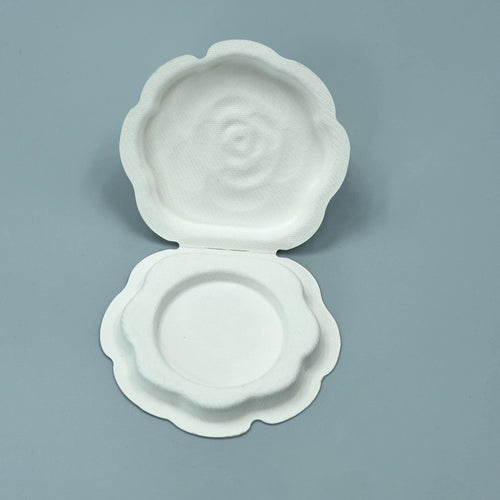
Beyond basic recycled pulp, innovative materials are expanding design possibilities. Some producers now use plant-based coatings to improve moisture resistance without compromising compostability. Others incorporate seed paper lids that customers can plant after use. When selecting materials, consider both their environmental profile and how they'll enhance your brand story—the tactile experience of opening a beautifully crafted carton creates lasting brand memories that generic packaging cannot match.
The foodservice industry is increasingly adopting sustainable packaging solutions to meet consumer demand and regulatory requirements. Molded pulp technology has advanced significantly, now offering durable, grease-resistant containers suitable for a wide range of food applications. These containers are made from renewable materials like sugarcane bagasse or recycled paper, providing an eco-friendly alternative to traditional plastic deli containers.
You might wonder, does this packaging protect the shampoo well? Absolutely. Despite its delicate appearance, paper pulp packaging is molded to snugly fit bottles, preventing damage during shipping and storage. It’s a clever blend of nature and engineering.