
 AsimAli
Healthy, glowing skin often depends on more than a good skincare routine. Factors such as sun exposure, pollution, aging, stress, and dehydration can affect skin texture, tone, and elasticity. Many people explore modern aesthetic treatments to improve these concerns, and exosome-based procedures have attracted growing interest because of their potential role in supporting skin repair and regeneration. 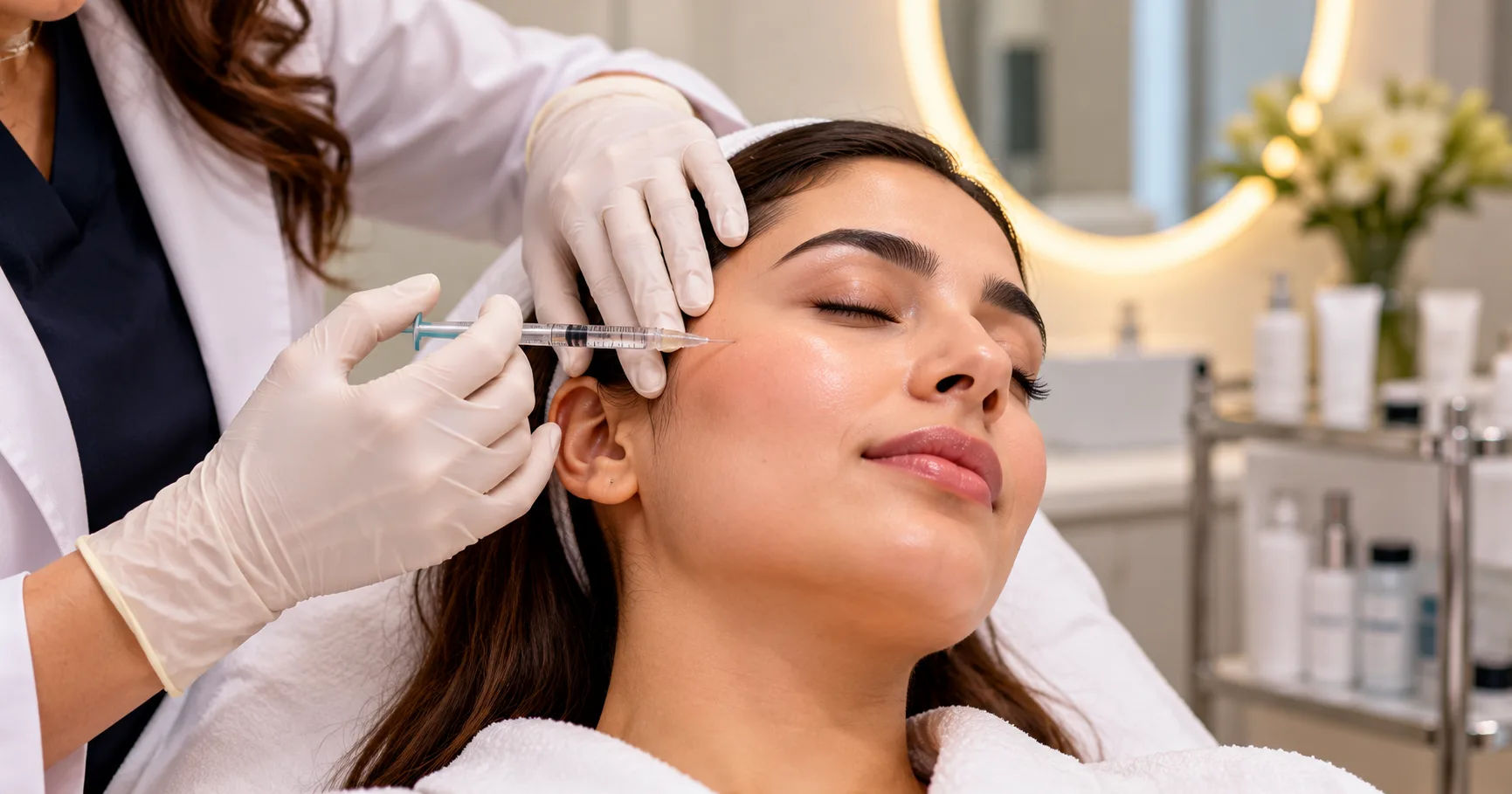 Understanding when exosome treatment for skin in Karachi works is important before deciding whether to try it. The results depend on the skin concern being treated, the person's overall skin health, the treatment method, and the quality of the clinical evidence supporting the procedure. Some people may notice gradual improvements in texture or hydration, while others may see little change.
Exosome treatments are often discussed alongside microneedling and other skin-rejuvenation procedures. However, they are not a guaranteed solution for wrinkles, acne scars, pigmentation, or skin aging. It is important to understand how the treatment is intended to work, when changes might become visible, and what safety questions to discuss with a qualified dermatologist.
This comprehensive guide explains the expected timeline, factors that influence results, possible benefits and risks, and how to decide whether this treatment is appropriate for your skin.
Exosome Treatment for Skin
What Are Exosomes?
exosome treatment for skin in Karachi are tiny, membrane-bound particles released by cells. They carry biological materials, including proteins, lipids, and different types of RNA, that can help cells communicate with one another.
Researchers are studying how exosomes may influence inflammation, tissue repair, and cellular activity. In aesthetic medicine, some products marketed for skin rejuvenation are intended to support processes associated with skin repair and a healthier-looking appearance.
However, exosomes are not the same as living stem cells. They do not independently turn into new skin cells. Their potential effects depend on the material they contain, their source, how they are manufactured, and how they are used.
How Is the Treatment Used?
Exosome products may be applied to the skin after procedures such as microneedling or used in other ways proposed by aesthetic practitioners. The intended approach is to deliver the product to the skin and potentially influence repair-related processes.
The method matters because applying a product to intact skin is different from introducing it into skin through a procedure. Each approach has different safety considerations, and evidence for one method cannot automatically be applied to another.
It is also important to understand that products sold as exosome treatments are not necessarily identical. Their ingredients, sources, manufacturing standards, and quality controls may differ substantially.
When Does Exosome Treatment Start Working?
One of the most common questions people ask is how long it takes to see results. There is no single timeline that applies to everyone because different products and treatment methods may produce different outcomes.
Human studies have reported possible improvements in skin appearance within the first several weeks. However, these findings do not guarantee that every person will experience the same results. A 2026 systematic review found encouraging short-term outcomes, but it also highlighted limitations in study quality, treatment consistency, and long-term follow-up.
First 24 to 72 Hours: Initial Recovery
If the treatment involves microneedling or another procedure that affects the skin barrier, temporary redness, sensitivity, and mild swelling may occur.
These early changes are usually part of the skin's recovery process rather than proof that the exosome product is working. Some people may experience dryness or a feeling of tightness.
During this period, follow the clinician's aftercare instructions. Avoid harsh exfoliants, unnecessary active skincare products, and direct sun exposure while the skin recovers.
First One to Two Weeks: Early Changes
Some people may notice that their skin feels smoother or looks more hydrated during the first two weeks. These changes can also result from moisturizers, temporary swelling, natural recovery, or other treatments performed during the same session.
It is therefore difficult to attribute every early improvement specifically to exosomes.
People should avoid judging the full outcome too soon. Skin texture, pigmentation, and scars generally require a more careful assessment over time.
Two to Six Weeks: Gradual Improvements
This period may be useful for assessing early changes in skin texture, brightness, and overall appearance. Studies of exosome-based treatments have reported improvements in several skin-quality measures during follow-up periods that commonly extend over a number of weeks.
However, the response depends on the person's skin condition, the treatment protocol, and whether other procedures are involved.
If there is no obvious improvement after a few weeks, do not automatically assume that more sessions are necessary. A dermatologist should review the initial assessment, treatment method, and expected outcomes before recommending further procedures.
Six to Twelve Weeks: Reviewing the Outcome
A review around six to twelve weeks can help establish whether the skin has improved in a meaningful way. Standardized photographs taken before treatment and at follow-up appointments can make subtle changes easier to assess.
Possible improvements include smoother-looking texture, better hydration, or a modest reduction in the appearance of fine lines. More significant concerns, such as deep acne scars or pronounced wrinkles, may require other evidence-based treatments.
Long-term results remain uncertain because available studies do not consistently establish how long improvements last or how frequently treatment needs to be repeated.
Which Skin Concerns May Respond to Exosome Treatment?
Not every skin concern responds in the same way. The expected result should match the problem being treated.
Fine Lines and Early Signs of Aging
Fine lines may become more noticeable when skin is dry or exposed to sunlight over many years. Exosome products are being investigated for their potential to support skin repair and processes associated with collagen and elasticity.
Early clinical findings are encouraging, but exosome treatment should not be presented as a proven replacement for established skin-aging treatments.
People with mild concerns may be more interested in subtle changes in skin quality than dramatic wrinkle removal. Deeper folds and advanced skin laxity are unlikely to be corrected by a topical product alone.
Daily sunscreen use and an appropriate skincare routine remain important for managing visible signs of aging.
Acne Scars and Uneven Texture
Acne scars can develop when inflammation damages the deeper layers of the skin. Their appearance depends on the type of scar, its depth, and the amount of tissue damage.
Some early research has explored exosome products alongside microneedling or laser procedures. The goal is to support recovery and potentially improve the appearance of uneven texture.
However, evidence remains limited, and exosomes should not be expected to remove deep, established scars on their own.
A dermatologist may recommend other options, such as microneedling, fractional laser treatment, chemical reconstruction techniques for selected scars, or subcision for certain tethered scars. The most appropriate method depends on the scar type and the person's skin.
Pigmentation and Uneven Skin Tone
Uneven pigmentation is a common concern, particularly when skin is frequently exposed to strong sunlight. Melasma, post-inflammatory hyperpigmentation, and sunspots have different causes and require different approaches.
Research has investigated whether exosome-based products may influence pigmentation and improve overall skin appearance. Yet the evidence is not strong enough to guarantee reliable correction of melasma or other pigmentation disorders.
In Karachi's sunny climate, sun protection is especially important. Broad-spectrum sunscreen, suitable protective clothing, and treatment directed at the underlying cause of pigmentation can help prevent further darkening.
A dermatologist should identify the type of pigmentation before selecting a procedure. An unsuitable treatment may irritate the skin and worsen discoloration.
Dullness, Dryness, and Rough Skin
People seeking a fresher-looking complexion may be interested in exosome treatments because early studies suggest possible improvements in hydration and skin texture.
Nevertheless, dryness does not necessarily indicate that a regenerative treatment is needed. Dehydration, harsh cleansers, excessive exfoliation, and environmental exposure can all affect the skin barrier.
A gentle cleanser, regular moisturizer, and daily sunscreen may provide meaningful improvements without an expensive procedure. If a person chooses to explore exosomes, the expected benefit should be discussed in relation to these simpler options.
Factors That Affect How Quickly Results Appear
The timing and extent of improvement depend on several important factors. Understanding them helps people form realistic expectations.
Skin Type and the Original Concern
Someone with mild roughness may notice a different outcome from someone with deep acne scars, significant wrinkles, or persistent pigmentation.
Age alone does not determine success. The skin's condition, existing damage, medical history, and the treatment goal all matter.
A thorough consultation helps identify whether the concern is suitable for the proposed treatment or whether another approach would be more effective.
Product Quality and Source
Exosome products may come from different biological sources and manufacturing processes. Their composition, purity, stability, and quality controls can vary.
A product's marketing claims do not establish that it is effective or safe. Ask the clinic for the manufacturer's information, product documentation, source material, storage requirements, and evidence supporting its intended use.
If the clinic cannot clearly explain what is being used, that is a reason to pause rather than proceed.
The Treatment Method
Topical application, use alongside microneedling, laser-assisted delivery, and injection are not interchangeable procedures.
The delivery method influences how a product contacts the skin and what risks may arise. Evidence supporting one method does not prove that another method is effective or safe.
Be particularly cautious about injectable products marketed as regenerative treatments without clear evidence of appropriate regulatory review and clinical safety.
Lifestyle and Aftercare
Skin recovery can be affected by sun exposure, smoking, sleep, nutrition, and the use of irritating skincare products.
Following aftercare instructions can reduce avoidable irritation. It cannot, however, guarantee that an exosome product will produce the desired result.
Consistent sunscreen use and gentle skincare are valuable regardless of whether a person chooses a cosmetic procedure.
Is Exosome Treatment Safe for Skin?
Safety is an essential consideration before booking any cosmetic procedure. Although exosomes have potential applications in regenerative medicine, their safety depends on the product, how it is prepared, and how it is administered.
A systematic review published in 2026 found promising results in early studies but also identified serious limitations in the available evidence. Reported complications associated with certain injectable products included allergic reactions, tissue damage, and granulomas, which are inflammatory lumps that can develop in tissue.
Possible Side Effects
Depending on the procedure and product, possible side effects may include:
-
Temporary redness, swelling, or tenderness.
-
Skin irritation or a burning sensation.
-
Allergic reactions to product ingredients.
-
Infection following procedures that break the skin barrier.
-
Persistent inflammation or other complications, particularly with inadequately characterized injectable products.
The absence of side effects in a small study does not establish that a treatment is safe for everyone.
Seek prompt medical attention if you develop increasing pain, spreading redness, fever, pus, significant swelling, or unusual skin discoloration after a procedure.
What About Regulatory Approval?
The US Food and Drug Administration has warned that there are no FDA-approved exosome products and has raised concerns about unapproved products marketed for medical use. This statement concerns US regulatory approval and should not be interpreted as a complete description of Pakistan's regulatory requirements.
Before undergoing treatment in Karachi, ask the provider about the product's regulatory status in Pakistan, its intended use, and the evidence supporting its safety. Do not assume that a product is approved simply because it is offered by an aesthetic clinic.
It is also important to distinguish a cosmetic skincare product from a product intended for injection or another medical procedure. Their intended uses and risks may be different.
How to Choose a Clinic in Karachi
Choosing a qualified provider can make a significant difference to your experience. The clinic should offer a medical assessment rather than promising identical results to every customer.
Check the Dermatologist's Qualifications
Look for a properly qualified dermatologist with appropriate registration and experience in the treatment being proposed. Ask who will perform the procedure and who will manage complications if they occur.
A responsible clinician should explain the expected benefits, limitations, alternatives, and risks in language you can understand.
Be cautious of claims that a procedure is completely risk-free, works immediately for everyone, or permanently removes all signs of aging.
Ask Questions About the Product
Before agreeing to treatment, ask:
-
What is the exact product name and manufacturer?
-
What is the biological source of the exosomes?
-
How is the product stored and handled?
-
What evidence supports its use for my particular skin concern?
-
Is the proposed method topical, microneedling-assisted, or injectable?
-
What side effects and follow-up care should I expect?
-
What is the product's regulatory status in Pakistan?
You should receive clear answers before making a decision.
Compare the Full Treatment Plan
Do not compare clinics based on price alone. One provider may offer a single session, while another may recommend multiple procedures or combine exosomes with laser treatment or microneedling.
Ask for a written breakdown of the treatment, the total expected cost, follow-up visits, and any additional charges.
A higher price does not automatically mean better quality. Equally, an unusually low price should prompt questions about product authenticity, hygiene, and professional supervision.
How to Prepare for Your Treatment
Good preparation starts with an honest discussion about your skin and medical history.
Before the Appointment
Tell the dermatologist about your allergies, medications, existing skin conditions, previous cosmetic procedures, and any history of unusual reactions to skincare products.
If you have active acne infections, cold sores, open wounds, or inflamed skin, the procedure may need to be postponed or reconsidered.
Do not stop prescribed medication or change your skincare routine without appropriate medical advice.
Ask the clinic whether you need to avoid any products or activities before the procedure. Instructions will depend on the method being used.
After the Procedure
Follow the specific aftercare plan provided by your clinician. General precautions may include:
-
Cleanse your skin gently as advised.
-
Use a suitable moisturizer if recommended.
-
Protect your skin from sunlight.
-
Avoid exfoliating acids, retinoids, and other irritating products until your clinician says they are safe to resume.
-
Avoid picking, rubbing, or scratching the treated area.
-
Attend the recommended follow-up appointment.
If the procedure involved microneedling or laser treatment, aftercare may differ from that for topical application alone.
How Many Sessions Are Needed?
There is no universally established number of exosome sessions for skin rejuvenation. The appropriate plan depends on the product, the method of application, the skin concern, and the evidence supporting the particular protocol.
Some clinics may recommend a series of sessions, while others may offer a single procedure alongside another treatment. Neither approach should be considered automatically superior.
Before purchasing a package, ask what outcome the clinician expects from each session and how progress will be measured. It is sensible to assess the initial response before committing to repeated treatments.
If the first session produces little improvement, a qualified dermatologist should reassess the diagnosis and treatment plan rather than automatically recommending more sessions.
Who Should Consider Other Treatments?
Exosome treatment may not be the most suitable first option for every person.
Someone with persistent acne may need treatment to control active breakouts before addressing scars. A person with melasma may benefit more from a carefully selected pigmentation treatment and consistent sun protection. Deep acne scars may require procedures designed to target scar tissue directly.
People with sensitive skin, active skin infections, a history of serious allergic reactions, or other relevant medical conditions should receive an individual assessment before undergoing a procedure.
Anyone who is pregnant, breastfeeding, immunocompromised, or taking medication that affects healing should discuss the proposed treatment with an appropriate clinician. Safety data for many exosome-based aesthetic applications remain limited, so suitability should not be assumed.
Conclusion
Exosome treatment for skin has attracted attention because of its potential to support skin repair and improve aspects of skin quality. Early research suggests possible benefits for hydration, texture, elasticity, fine lines, and overall appearance. However, promising preliminary findings are not the same as definitive proof of effectiveness.
For anyone considering exosome treatment for skin in Karachi, the first few days should generally be viewed as a recovery period if the procedure affects the skin barrier. Some early cosmetic changes may become noticeable within one to two weeks, while a more useful assessment of skin texture and appearance may take several weeks. Studies have reported improvements during follow-up periods of approximately two to twelve weeks, but individual results vary and the long-term durability of benefits remains uncertain.
The most important step is to identify the actual skin concern before selecting a treatment. Fine lines, acne scars, dryness, and pigmentation have different causes and may respond better to different approaches. A qualified dermatologist can explain whether exosomes are a reasonable option or whether established treatments offer a better-supported alternative.
When exploring exosome treatment for skin in Karachi, prioritize product transparency, professional qualifications, appropriate medical supervision, and realistic expectations. Ask about safety, regulatory status, aftercare, and the evidence supporting the proposed procedure. Avoid clinics that promise guaranteed results or claim that one session can solve every skin problem.
Ultimately, successful skin care is about choosing an appropriate treatment rather than following the newest trend. A careful consultation, consistent sun protection, a suitable skincare routine, and an evidence-informed treatment plan can help you make a more confident decision about achieving healthier-looking skin.
