
 AsimAli
Glass hardware plays an important role in modern construction, interior design, and home improvement. From shower enclosures and glass doors to office partitions, railings, and display cabinets, quality hardware helps glass installations remain secure, functional, and attractive. However, choosing the right products requires more than comparing prices or selecting the most stylish designs. Buyers must also consider material quality, durability, corrosion resistance, installation requirements, and safety.
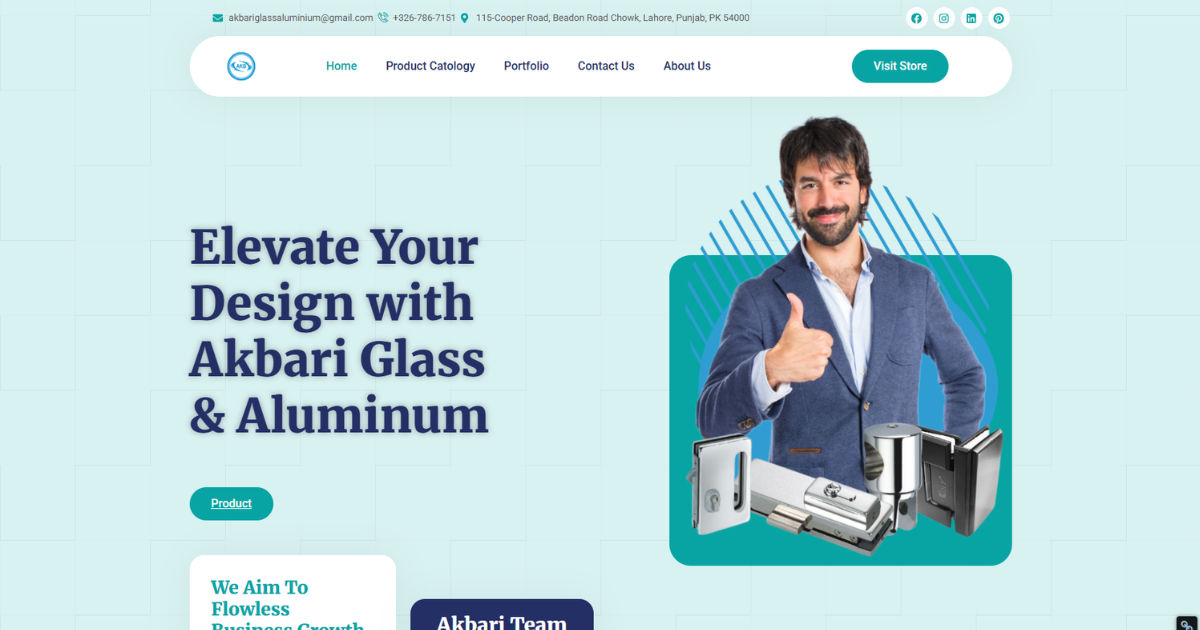
In Lahore, where residential construction, commercial projects, and modern interior renovations continue to create demand for glass fittings, knowing how to evaluate hardware quality can help customers make better purchasing decisions. Whether you are a homeowner, contractor, architect, or business owner, inspecting products before buying them can prevent unnecessary expenses and future maintenance problems.
Understanding the standards associated with Glass Hardware Lahoreis especially useful when comparing suppliers, checking product specifications, and deciding which fittings are suitable for a particular project. Although different products serve different purposes, the same basic principles apply: inspect the materials, examine the finish, test the moving parts, and verify the manufacturer's information.
This comprehensive guide explains how to check glass hardware quality in Lahore, which materials offer better performance, how to recognize common defects, and what questions to ask before making a purchase. By following these practical steps, you can choose hardware that meets your project's safety, durability, and design requirements.
Why Is Glass Hardware Quality Important?
Glass hardware includes the fittings and accessories used to support, secure, connect, and operate glass panels. These products may include hinges, handles, clamps, brackets, patch fittings, locks, shower door fittings, and railing supports.
Glass Hardware Lahore fittings look similar, their construction and performance can differ considerably.
High-quality hardware generally offers better resistance to wear, corrosion, and mechanical stress when used correctly. Poor-quality fittings may develop loose connections, damaged finishes, difficult movement, or other problems that affect the appearance and function of a glass installation.
Safety and Stability
Glass panels can be heavy, especially when used in doors, partitions, and railings. The hardware supporting them must be appropriate for the panel's weight, thickness, dimensions, and intended use.
A weak hinge or unsuitable clamp can create a serious safety risk. Therefore, selecting fittings based on verified load ratings and compatibility is more important than choosing them solely for their appearance.
Long-Term Durability
Hardware used in bathrooms, kitchens, and outdoor areas may experience moisture, cleaning chemicals, temperature changes, and repeated use.
Products made from suitable materials and manufactured to consistent standards are more likely to withstand these conditions. However, durability also depends on installation quality, maintenance, and the environment.
Appearance and Functionality
Good hardware should complement the glass installation without sacrificing performance. Smooth edges, consistent finishes, properly aligned components, and reliable movement all contribute to a professional result.
Investing in appropriate fittings can also reduce the need for frequent adjustments and replacements.
Understand the Different Types of Glass Hardware
Before evaluating quality, identify the type of hardware your project requires. Different products perform different functions, so the inspection criteria may vary.
Glass Door Hinges
Glass door hinges connect a glass door to a wall, frame, or another supporting structure. They must support the door's weight while allowing it to open and close smoothly.
When checking hinges, examine their construction, mounting points, finish, and movement. Look for uneven gaps, rough edges, loose screws, or resistance during operation.
Also verify that the hinge is designed for the particular glass thickness, door dimensions, and installation method.
Glass Clamps and Connectors
Clamps hold glass panels in position and are commonly used in partitions, shower enclosures, and railing systems.
Inspect the clamping surfaces for even contact, secure fasteners, and suitable protective pads where required. The hardware should hold the glass without applying damaging pressure to its edges.
Never assume that a clamp is suitable for a safety-critical installation simply because it appears thick or heavy.
Glass Door Handles
Handles are frequently used on shower doors, entrance doors, cabinets, and office partitions.
Check whether the handle feels solid, whether its edges are smooth, and whether its mounting points are properly finished. A good handle should fit comfortably in the hand without sharp corners or loose connections.
For frequently used doors, the mounting system should also withstand repeated pulling and pushing.
Patch Fittings and Locks
Patch fittings connect frameless glass doors to supporting structures and may incorporate pivoting or locking mechanisms.
Because these fittings can be important to door stability and security, inspect the locking mechanism, adjustment features, fasteners, and compatibility information carefully.
Choose products designed for the intended application rather than adapting general-purpose fittings to support heavy glass doors.
Check the Material Quality
Material selection is one of the most important factors when evaluating glass hardware. Two products with similar designs may perform differently because they use different metals, alloys, or protective coatings.
Stainless Steel
Stainless steel is widely used for glass hardware because of its strength and corrosion resistance.
However, not all stainless steel products offer the same performance. The grade, manufacturing quality, surface finish, and surrounding environment all matter.
For example, grades such as 304 and 316 are commonly used in hardware applications. Grade 316 generally offers better resistance to chloride-related corrosion than grade 304, making it a useful option for demanding environments.
When buying stainless steel fittings, ask the supplier to identify the grade and provide supporting documentation where necessary.
Do not rely on appearance alone. Polished products may look similar even when their underlying materials differ.
Brass
Brass is commonly used for handles, decorative fittings, and some plumbing-related hardware.
Quality brass fittings should have consistent construction, clean machining, and a finish suitable for the intended environment.
Check threaded sections, mounting points, and the quality of the surface treatment. If the product will be used in a wet area, ask about corrosion resistance and the recommended cleaning method.
Aluminium Alloys
Aluminium alloy components may be suitable for certain frames, connectors, and lightweight fittings.
Their suitability depends on the alloy, design, manufacturing quality, and expected load. Aluminium should not automatically be treated as a replacement for stainless steel in every application.
Always confirm that the specific product is designed for its intended function.
Inspect the Surface Finish and Overall Appearance
A product's finish can provide useful clues about manufacturing quality. However, a good appearance should support, rather than replace, checks of material specifications and mechanical performance.
Look for a Consistent Finish
Examine the entire fitting under good lighting. The surface should generally have a consistent appearance appropriate to its specified finish.
Look for:
- Scratches or visible dents.
- Uneven polishing.
- Peeling or bubbling coatings.
- Discoloration or unexplained spots.
- Rough edges and sharp burrs.
- Visible cracks or poorly finished joints.
Minor cosmetic differences may not always affect performance, but obvious defects deserve attention.
Examine Corners and Edges
Pay particular attention to the edges of handles, clamps, brackets, and hinges.
Poorly finished edges can create handling problems and may indicate inadequate finishing processes. Mounting holes should also be cleanly formed, without obvious cracks or damage around them.
Check the Coating
Hardware may have polished, brushed, painted, plated, or other decorative finishes.
Ask whether the finish is appropriate for the intended environment. A fitting installed in a frequently wet bathroom may need better corrosion protection than one used in a dry interior display cabinet.
Avoid products with visible peeling, bubbling, or exposed areas where a coating should be continuous.
Test the Movement and Mechanical Performance
Hardware should function correctly, not merely look attractive. Whenever possible, inspect a sample or demonstration unit before purchasing a large quantity.
Test Hinges and Pivot Mechanisms
Open and close the demonstration door several times.
The movement should be controlled and reasonably smooth, without grinding, excessive resistance, or unexpected looseness. If the fitting includes a closing mechanism, check that it operates according to the manufacturer's specifications.
Do not force a mechanism that appears jammed or incorrectly adjusted.
Check Handles and Locks
Hold the handle and operate it as intended. It should feel secure, with no unnecessary movement at its mounting points.
Test locks using the manufacturer's recommended procedure. The mechanism should engage and release reliably without requiring excessive force.
Inspect Fasteners
Screws, bolts, and other fasteners are essential parts of a hardware assembly.
Check whether the fasteners are appropriate for the material and application. Their threads should be properly formed, and the supplied components should match the product's installation instructions.
For outdoor or wet environments, ask whether the fasteners provide suitable corrosion resistance.
Verify Compatibility With the Glass
Even well-made hardware can fail if it is incompatible with the glass panel or installed incorrectly.
Before purchasing, determine the glass thickness, panel dimensions, door weight, and intended mounting arrangement.
Confirm the Required Glass Thickness
Different hinges, clamps, handles, and connectors are designed for specific glass thicknesses.
A fitting designed for one thickness may not grip or support another correctly. Do not assume that adjustable fittings are suitable for every panel.
Ask the supplier for the permitted thickness range and check it against the project's specifications.
Check Load Ratings
For heavy doors and safety-critical installations, confirm the manufacturer's rated capacity and installation requirements.
Load ratings may depend on several factors, including the number of fittings, their spacing, the door's dimensions, and the supporting structure.
Never estimate a fitting's safe capacity based only on its size or weight.
Consider the Type of Glass
Tempered glass, laminated glass, and ordinary annealed glass have different properties and applications.
Hardware must be compatible with the specified glass system. Glass intended for safety-critical uses should meet the applicable requirements for that application.
Also remember that tempered glass generally cannot be cut or drilled after tempering. Holes and edge preparation must be planned before the glass undergoes the tempering process.
Check the Supplier and Product Documentation in Lahore
Selecting a trustworthy supplier is an important part of purchasing quality glass fittings.
When comparing suppliers in Lahore, ask about the manufacturer's identity, material specifications, product warranty, replacement policy, and availability of spare parts.
Ask for Product Specifications
A reliable supplier should be able to explain the product's material, dimensions, intended use, and installation requirements.
For more demanding projects, request relevant technical documents, load ratings, corrosion-resistance information, and evidence of compliance with applicable standards.
Documentation is particularly important when purchasing fittings for commercial buildings, public spaces, shower enclosures, or glass railings.
Check Warranty Terms
A warranty can provide information about the supplier's support arrangements, although it does not automatically prove product quality.
Read the conditions carefully. Check the warranty period, covered defects, exclusions, and the process for requesting repairs or replacements.
Ask whether the warranty covers the finish, mechanical components, or both.
Examine Packaging and Identification
Look for product labels, model numbers, manufacturer information, and instructions.
Consistent identification makes it easier to confirm that the products delivered match the products ordered. It also helps when replacing a fitting or obtaining compatible spare parts later.
Unmarked products are not necessarily defective, but the lack of identification may make their specifications harder to verify.
Compare Prices Without Compromising Quality
Price is an important consideration for homeowners, contractors, and builders. However, choosing the cheapest option can become expensive if the hardware needs frequent adjustment or replacement.
When comparing quotations, make sure the products are genuinely comparable.
Check the material grade, finish, dimensions, load rating, included accessories, warranty, and installation requirements.
A higher-priced product may offer better performance or documentation, but price alone does not establish quality. Similarly, an inexpensive product may be perfectly suitable for a low-demand application if its specifications are appropriate.
For larger projects, compare the total cost of ownership rather than only the initial purchase price. Include installation, maintenance, replacement parts, and the expected service life.
Businesses operating in the Glass Hardware Pakistan market may offer products at different price points because of differences in sourcing, manufacturing, finish, and product specifications.
The best approach is to identify the requirements first and then compare products that meet them.
Common Warning Signs of Poor-Quality Glass Hardware
Recognizing warning signs can help you avoid unsuitable products before installation.
Unclear Material Information
Be cautious if a supplier cannot identify the material or explain the product's intended application.
For safety-critical hardware, missing technical information can make it difficult to determine whether a fitting is suitable.
Poor Manufacturing and Finishing
Uneven surfaces, rough edges, damaged threads, inconsistent coatings, and visibly misaligned components deserve closer inspection.
These defects do not prove that every aspect of the product is poor, but they are reasons to request clarification or consider alternatives.
Loose or Unreliable Mechanisms
Handles that wobble, locks that stick, and hinges that move unpredictably may indicate poor manufacturing, damage, or incorrect assembly.
Do not accept a defective demonstration unit on the assumption that it will improve after installation.
Unsupported Performance Claims
Statements such as "rust-proof," "unbreakable," or "suitable for every glass door" should be treated carefully unless supported by appropriate specifications or testing.
No material is immune to every form of damage, and no fitting is suitable for every installation.
How to Maintain Glass Hardware After Installation
Even good-quality hardware needs proper care.
Clean fittings with products recommended by the manufacturer. Avoid harsh chemicals, abrasive pads, and cleaning methods that can damage protective coatings.
Inspect hinges, clamps, handles, and fasteners periodically. Look for corrosion, looseness, unusual movement, or signs of stress.
If a fitting becomes loose or begins to malfunction, arrange for a qualified installer to inspect it. Do not compensate for an unsuitable fitting by repeatedly tightening it beyond the manufacturer's recommendations.
For shower enclosures and other wet installations, removing soap residue and moisture can help maintain the finish. In outdoor areas, more frequent inspections may be appropriate because of exposure to weather and pollution.
Glass railings, overhead glass, and heavy doors require particular attention because a hardware failure could cause serious injury. Follow the manufacturer's inspection schedule and applicable safety requirements.
Conclusion
Checking glass hardware quality in Lahore requires a combination of careful inspection, technical verification, and sensible purchasing decisions. The most attractive product is not necessarily the strongest or most durable, and a low price does not always represent good value.
Start by identifying the type of fitting your project needs. Examine the material, surface finish, edges, fasteners, and moving parts. Then verify that the product is compatible with the glass thickness, door dimensions, expected loads, and installation environment.
Supplier reliability is equally important. Ask for clear specifications, warranty details, product identification, and relevant technical documentation. For glass doors, railings, and other safety-critical installations, use products with suitable ratings and have them installed by qualified professionals.
When comparing options in the Glass Hardware Lahoremarket, focus on verified performance rather than appearance or marketing claims alone. Consider corrosion resistance, ease of maintenance, replacement-part availability, and long-term costs before making a final decision.
Most importantly, remember that hardware quality and installation quality work together. Even excellent fittings can become unsafe when used incorrectly, while unsuitable products cannot be made reliable through careful installation alone.
By applying these checks before purchasing and maintaining the fittings after installation, you can make more informed decisions, reduce avoidable expenses, and create glass installations that are functional, attractive, and appropriately safe for their intended use.
