
 AsimAli
Styling a traditional outfit is about more than simply selecting beautiful fabric or attractive embroidery. The occasion, weather, comfort, age, and personal taste all influence how an outfit should come together. When choosing girls pakistani clothes, parents and young girls can create looks that feel traditional while still looking fresh and comfortable. 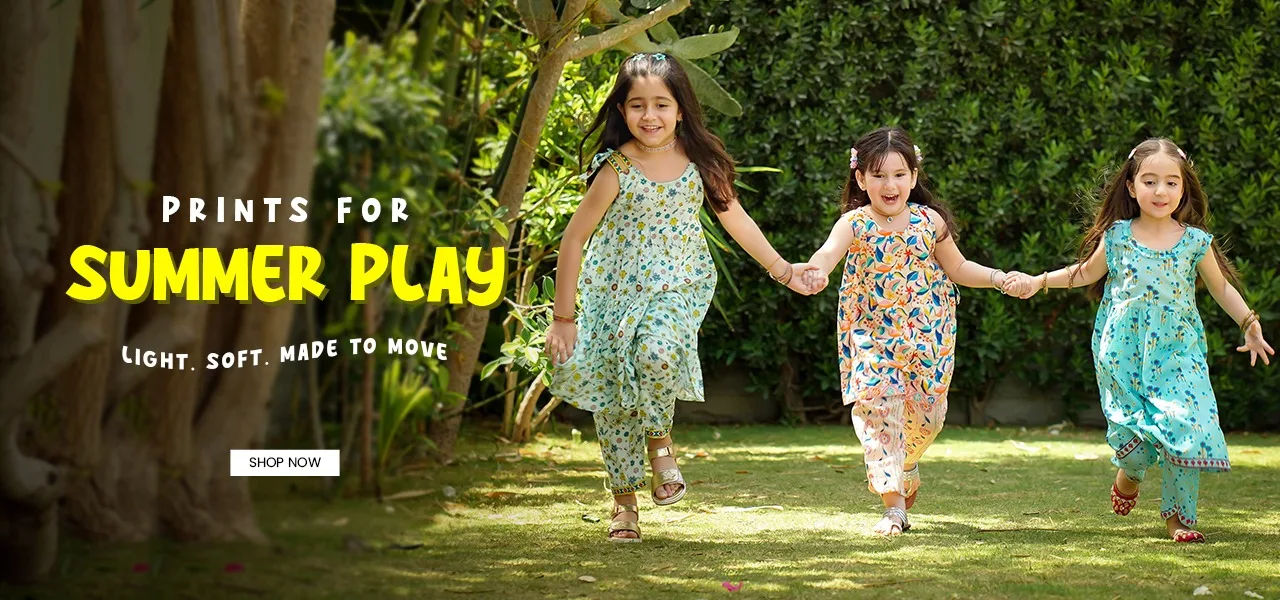 For everyday wear, simple cotton or lawn outfits can be paired with lightweight accessories and comfortable footwear.
Festive occasions allow more room for embroidery, richer fabrics, colorful dupattas, and decorative shoes. The goal is to make each element work together rather than allowing one piece to overwhelm the entire outfit.
The best girls pakistani clothes are usually styled according to the setting. A heavily embroidered dress may be perfect for a wedding but unnecessary for a family lunch. Similarly, a simple printed shalwar kameez may look ideal for school events, casual gatherings, or summer outings. Good styling starts by understanding what the occasion actually requires.
The Main Elements of Pakistani Clothing
Pakistani clothing offers many combinations, so it helps to understand the basic pieces before experimenting with styling.
Shalwar Kameez
The shalwar kameez remains one of the most recognizable traditional outfits. The kameez can be short, medium, or long, while the shalwar may be loose, straight, or designed in another modern silhouette.
For girls, the most practical choice is usually a design that allows easy movement. Younger children may benefit from wider trousers or shalwars, while older girls can experiment with straight pants, cigarette trousers, or traditional shalwars.
Kurta and Trousers
A kurta with trousers is a versatile option for girls who want a traditional appearance without wearing a highly formal outfit. Printed kurtas work particularly well for everyday occasions.
A plain trouser can balance a busy printed kurta. Conversely, a simple kurta can be paired with patterned trousers when the overall design remains coordinated.
Lehenga and Formal Dresses
Lehengas and heavily embellished dresses are popular for weddings, Eid celebrations, and other formal events. These outfits often include embroidery, sequins, zari work, threadwork, or decorative borders.
Because the dress itself can be visually dramatic, accessories should usually be selected with some restraint. Too many competing details can make a young girl's outfit appear crowded.
Match the Fabric With the Season
Fabric has a major effect on how an outfit looks and feels.
Cotton and Lawn for Warm Weather
Cotton and lawn are excellent choices for hot weather. They are lightweight, breathable, and comfortable for everyday use.
Bright prints can make summer outfits feel cheerful without requiring extensive decoration. Floral patterns, geometric prints, small motifs, and traditional designs can all work well.
For summer girls pakistani clothes, choose fabrics that allow comfortable movement and avoid unnecessary layers. A lightweight dupatta can be used for older girls when appropriate, while younger children may be more comfortable without one.
Khaddar and Wool Blends for Winter
During colder months, thicker fabrics provide warmth while maintaining a traditional appearance. Khaddar is a popular choice for winter outfits, especially when paired with warm trousers or an appropriate inner layer.
Dark green, maroon, navy, mustard, brown, and deep red can create a seasonal appearance. However, bright colors can also work beautifully during winter, particularly when combined with neutral accessories.
Silk, Chiffon, and Organza for Formal Events
Formal clothing often uses fabrics such as silk, chiffon, organza, velvet, and other decorative materials.
These fabrics can create an elegant appearance, but comfort should remain important. Children may become uncomfortable in stiff or heavily layered outfits, especially during long wedding events.
A beautiful outfit that allows a girl to sit, walk, eat, and play comfortably will usually be more successful than an elaborate dress that restricts movement.
Coordinate Colors Carefully
Color coordination can completely change the appearance of an outfit.
One approach is to select a dominant color and use one or two complementary shades. For example, a pink dress can be combined with white, silver, peach, or a related pastel shade.
Another option is contrast. A deep blue outfit with gold details can create a festive appearance, while emerald green with subtle pink accents can offer a colorful traditional look.
When styling girls pakistani clothes, avoid assuming that every part of the outfit needs to be the same color. Matching every element exactly can sometimes make the outfit look flat.
Instead, use related colors across the dress, dupatta, shoes, and accessories.
Use Neutrals to Create Balance
Neutral shades such as white, beige, cream, gold, silver, and soft brown are useful for balancing stronger colors.
For instance, a brightly colored kameez can be paired with cream trousers and neutral shoes. This allows the main dress to remain the focus.
Neutrals are especially useful when the clothing already includes substantial embroidery.
Style the Dupatta Appropriately
The dupatta can add a traditional finishing touch, but it should be styled according to age and occasion.
For older girls, a lightweight dupatta can be draped over one shoulder or arranged across both shoulders. A simple side drape works well with casual outfits, while a more structured arrangement may suit formal clothing.
For younger children, a dupatta may be difficult to manage. In such cases, it can be kept lightweight and secured carefully when necessary.
The dupatta does not always need to match the dress exactly. A contrasting border, subtle print, or different texture can create visual interest.
For heavily decorated dresses, a simpler dupatta can prevent the outfit from becoming too busy.
Choose Accessories According to Age
Accessories should complement a girl's outfit rather than make her uncomfortable.
Small earrings, bangles, hair accessories, bracelets, or a simple necklace can be enough for a young girl's formal appearance.
Older girls have more freedom to experiment with traditional jewelry, including jhumkas, bangles, necklaces, and decorative hairpieces.
The most important consideration is proportion. Large jewelry can overpower a small child, while tiny accessories may get lost with a heavily embroidered formal dress.
Hair Accessories
Hair accessories can add a charming finishing detail.
For younger girls, colorful clips, ribbons, bows, and embellished hairbands can coordinate with the outfit. Older girls may prefer decorative pins, small flowers, or simple hairstyles that allow the clothing to remain the main focus.
Braids, ponytails, buns, and loose hairstyles can all work depending on the occasion and the outfit.
Select Comfortable Footwear
Shoes should be selected after considering both the outfit and the amount of walking involved.
Traditional khussas can work beautifully with Pakistani clothing. They are especially suitable for festive occasions and can add a distinctly traditional element.
For everyday outfits, comfortable sandals, flats, or simple shoes may be more practical.
For weddings, decorative flats can provide the formal appearance of embellished footwear without making it difficult for a girl to move around.
Avoid selecting shoes purely because they look attractive. If a girl will spend several hours standing, walking, or participating in activities, comfort becomes part of good styling.
Add Embroidery Without Overdoing It
Embroidery is one of the easiest ways to make traditional clothing look festive.
Thread embroidery provides a softer appearance, while zari, sequins, beads, and stones can create a more formal effect.
For children's clothing, embroidery should be appropriate for the occasion. A small embroidered neckline or sleeve detail may be enough for a family gathering.
For weddings and Eid, more elaborate embroidery can be used on the neckline, hem, sleeves, or dupatta.
When styling girls pakistani clothes, remember that embroidery does not need to cover every available surface. Strategic decoration often looks more polished than excessive embellishment.
Style Outfits for Weddings
Wedding clothing allows more creativity than everyday clothing.
Bright colors such as fuchsia, red, turquoise, purple, green, orange, and royal blue can create a festive appearance. Pastel shades can also work beautifully for daytime weddings.
For younger girls, a lehenga, frock, gharara, sharara, or embroidered shalwar kameez can provide a traditional appearance.
Older girls can experiment with longer shirts, embellished trousers, ghararas, shararas, and coordinated dupattas.
If the outfit contains heavy embroidery, keep the jewelry and shoes relatively simple. If the dress is simpler, accessories can provide additional decoration.
Style Outfits for Eid
Eid clothing often sits between everyday and formal wear.
A printed lawn suit can be ideal for a relaxed Eid gathering, while an embroidered outfit may be more appropriate for visiting relatives or attending a larger celebration.
Pastel colors such as mint, peach, lavender, baby blue, and soft pink are popular choices for a light appearance.
Traditional shades such as emerald, maroon, navy, and mustard can create a stronger look.
The important thing is to select clothing that suits the girl's personality. Eid outfits should look special without being so complicated that they become uncomfortable.
Create Casual Everyday Looks
Traditional clothing does not have to be reserved for celebrations.
A simple printed kurta with trousers can create an attractive everyday outfit. A cotton two-piece suit can also be practical for school holidays, family visits, shopping trips, and casual gatherings.
Simple styling is often the most effective approach for everyday clothing.
Pair a printed kameez with plain trousers, comfortable sandals, and a small hair accessory. There is no need for elaborate jewelry or heavy embroidery.
For girls pakistani clothes intended for regular wear, durability is also important. Choose fabrics that can tolerate regular washing and active use.
Experiment With Modern and Traditional Styles
Pakistani fashion continues to evolve, and traditional clothing can easily be combined with modern styling.
A traditional kurta can be paired with straight pants and modern flats. A classic printed shirt can be styled with wide-leg trousers. A traditional dupatta can be worn with a more contemporary silhouette.
The trick is to maintain visual balance.
If the clothing has a traditional print, modern footwear can provide contrast. If the outfit has a contemporary cut, traditional jewelry can bring back the cultural element.
This combination allows girls to enjoy Pakistani fashion without feeling that every outfit needs to look identical to a historical style.
Consider the Girl's Personality
Good styling should reflect the person wearing the outfit.
Some girls enjoy bright colors and decorative clothing. Others prefer soft colors, simple prints, or minimal accessories.
A shy child may feel more comfortable in a simple outfit, while another may enjoy wearing a colorful lehenga with decorative jewelry.
Parents should also consider the girl's opinion when selecting clothing. Comfort and confidence matter just as much as appearance.
There is no single formula for perfect girls pakistani clothes. The best combination is one that suits the girl's age, personality, comfort level, and the occasion.
Pay Attention to Fit
Fit is often more important than expensive fabric or elaborate decoration.
Clothing that is too tight can restrict movement. Clothing that is excessively loose may become difficult to manage.
Sleeves should allow comfortable arm movement. Trousers should sit comfortably around the waist. The shirt should provide enough room for normal activity.
Children also grow quickly, so purchasing clothing with a little room for growth can sometimes be practical. However, excessive extra fabric can affect the appearance and comfort of the outfit.
A well-fitting dress usually looks more polished even when the design itself is relatively simple.
Layer Clothing Thoughtfully
Layering can make traditional clothing more versatile.
During winter, a warm cardigan, sweater, shawl, or coat can be coordinated with a shalwar kameez.
The outer layer does not necessarily have to match the outfit exactly. A neutral coat can work with several different colors.
For formal events, a lightweight embroidered shawl can provide warmth while maintaining the overall appearance of the outfit.
Avoid excessive layering for children, particularly when attending crowded indoor events where temperatures can become uncomfortable.
Use Prints Strategically
Prints can make simple outfits look interesting without expensive embellishment.
Small floral prints generally create a delicate appearance. Large floral patterns create a stronger visual effect. Geometric prints can feel modern, while traditional motifs can emphasize cultural character.
If the shirt has a complicated print, plain trousers are usually easier to coordinate.
If both the shirt and trousers have patterns, use a shared color to connect them visually.
This approach keeps girls pakistani clothes coordinated without requiring every piece to come from the same set.
Avoid Common Styling Mistakes
One common mistake is adding too many decorative elements at once.
An embroidered dress, heavily embellished dupatta, large jewelry pieces, decorative shoes, and elaborate hair accessories may compete for attention.
Another mistake is ignoring comfort.
Children need to move naturally. Clothing that constantly needs adjusting can quickly become frustrating.
It is also important not to select clothing based only on trends. Fashion changes, but comfortable and well-coordinated traditional designs remain useful for years.
Finally, avoid treating age-appropriate styling as an afterthought. Clothing, jewelry, hairstyles, and footwear should all be suitable for the girl's age.
Make Simple Outfits Look Special
A simple outfit can look polished with a few thoughtful details.
Start with a well-fitting printed suit. Add a contrasting dupatta if appropriate, comfortable traditional footwear, and one or two small accessories.
A neat hairstyle can complete the appearance without requiring extensive styling.
This approach is particularly useful when preparing several outfits for school events, family gatherings, Eid visits, or vacations.
The advantage of simple styling is flexibility. Individual pieces can often be mixed and matched with other outfits.
Think About Practicality
Beautiful clothing should also be practical.
Before selecting an outfit, consider how long the girl will wear it, whether she will be sitting or standing, the weather, and whether she will participate in activities.
For a long wedding ceremony, lightweight materials may be preferable to extremely heavy clothing.
For outdoor events in hot weather, breathable fabrics can make a major difference.
For everyday wear, washable fabrics and durable stitching can provide better long-term value.
These practical considerations make styling girls pakistani clothes much easier because they reduce the chances of choosing an outfit that looks good only for a short period.
Conclusion
Styling Pakistani clothing for girls is about creating harmony between tradition, comfort, age, occasion, and personal taste. A beautiful outfit does not necessarily require heavy embroidery, expensive accessories, or complicated layering. Sometimes a well-fitted printed kurta, coordinated trousers, comfortable shoes, and a simple hairstyle are enough to create an attractive traditional look.
For formal events, richer fabrics, decorative dupattas, embroidery, traditional jewelry, and embellished footwear can create a more festive appearance. For everyday wear, breathable fabrics, simple prints, and practical designs are usually more suitable.
Color coordination also plays an important role. Strong colors can be balanced with neutrals, while simple outfits can be enhanced with carefully selected accessories. The same principle applies to embroidery and prints. Instead of decorating every part of an outfit, choose a few details that deserve attention.
Age should always influence styling decisions. Younger girls generally benefit from comfortable clothing and lightweight accessories, while older girls can explore a wider range of silhouettes and traditional details.
Most importantly, the girl should feel comfortable in what she is wearing. Clothing should allow her to walk, sit, eat, play, and participate in family occasions without constantly needing adjustment.
The beauty of girls pakistani clothes is their flexibility. Traditional shalwar kameez, kurtas, ghararas, shararas, lehengas, frocks, and embroidered suits can all be styled in different ways. By combining traditional elements with thoughtful modern touches, it is possible to create outfits that feel culturally familiar while still looking current.
Good styling is ultimately about balance. Choose the right fabric for the weather, the right design for the occasion, the right accessories for the age, and the right colors for the overall outfit. When these elements work together, even a simple Pakistani outfit can look elegant, comfortable, and memorable.
