
 Alex
AlexThe weekend warriors who line up at mud pits, obstacle courses, and timed sprint tracks share one obsession: finding the machine that turns fun into victory. When the flag drops, engine tuning, suspension geometry, and tire grip decide who comes home with a trophy and who comes home with a muddy windshield. In this product showdown, we pit a purpose-built SWM SXS against the best-known rivals in the utv offroad segment, and we break down which machine wins in each of the three disciplines that matter most to enthusiasts.
The Mud Run: Grip, Weight, and Grunt
Mud events are brutal on machines and even harder on reputations. A deep pit rewards low weight, aggressive tires, and instant throttle response, while punishing machines that bog down or lose traction at the worst possible moment. The SWM SXS enters the pit with a tuned powertrain that delivers torque low in the rev range, letting the driver ease into the muck and power through without wheelspin drama.
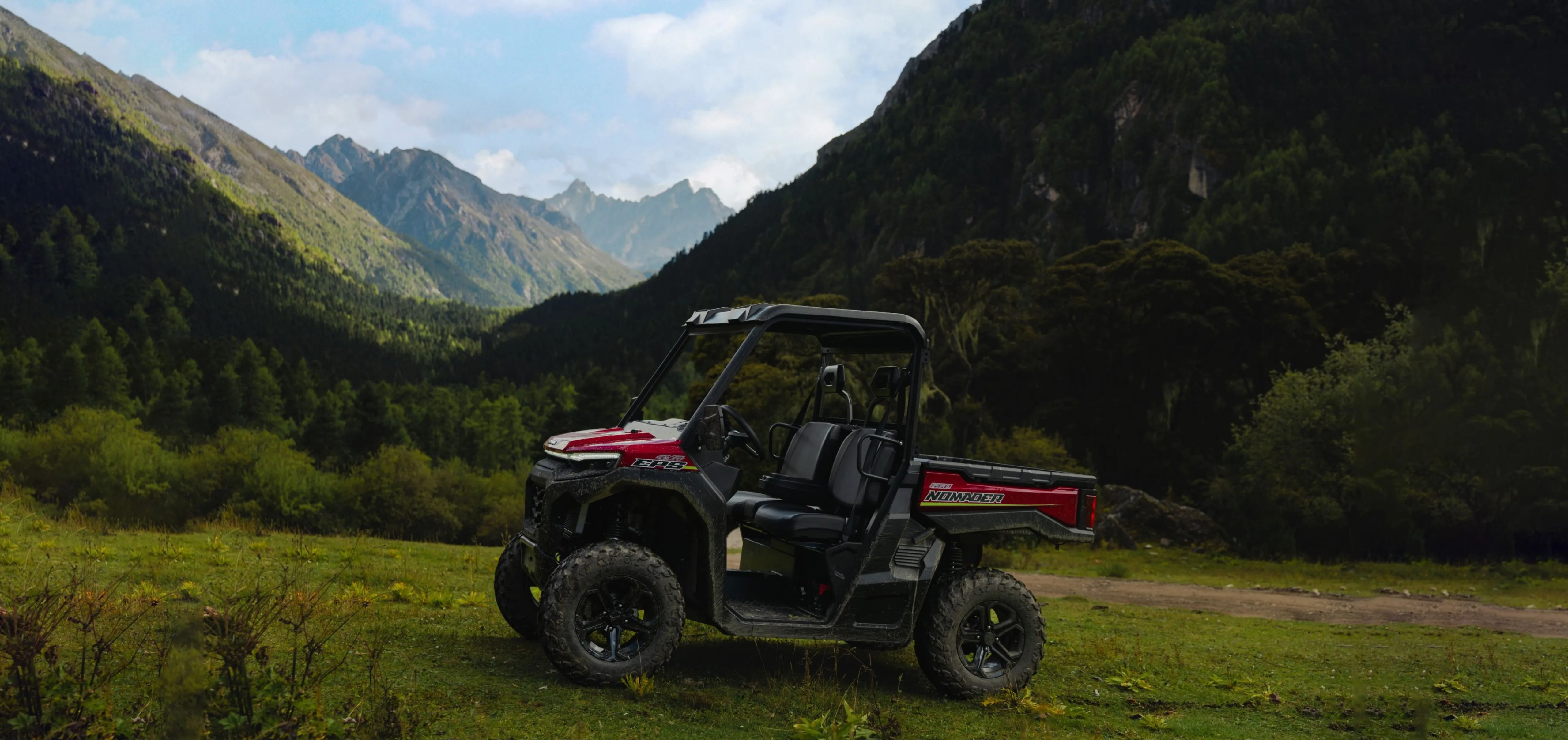 The rivals are fast in a straight line, but they pay for that speed with weight and heat soak. By the third run of the day, their clutches fade and their engines start pulling timing, while the
 What matters more than peak horsepower is how the power is delivered. A utv quad in the mud needs to hook up, not spin out, and the SWM machine’s calibration favors exactly that. Riders who raced both back-to-back described the difference as night and day: more control, fewer corrections, and far less time spent winching.
The Obstacle Course: Agility Under Pressure
Obstacle courses reward precision. Log crossings, steep ledges, off-camber turns, and tight S-bends demand suspension travel that keeps all four wheels planted and steering geometry that stays predictable at any angle. This is where chassis tuning separates the contenders from the pretenders, and where a utv quad with the right setup feels almost telepathic.
In testing, the SWM machine’s independent suspension soaked up square-edged hits that sent rivals bouncing off line. Drivers reported that they could carry more speed into corners because the rear end stayed composed, and the light steering effort meant less arm fatigue over a full lap. On the trickiest sections, the difference showed up in the scorecard: cleaner runs, fewer penalty touches, and consistent lap times even when the course got torn up by the morning heats.

The obstacle course also exposed a critical advantage in serviceability. When a competitor’s machine needed a shock rebuild between heats, the SWM rig required nothing more than a quick check and a splash of fuel. For privateer racers who do their own maintenance in a trailer at the track, that reliability translates directly into more seat time and better results.
The Timed Sprint: Power Delivery That Matters
Timed sprints are the purest test of powertrain response. A short course, a stopwatch, and no room for mistakes. The launch decides half the race, so throttle mapping, clutch engagement, and traction management are everything. Here the SWM machine’s electronic calibration showed its sharpest edge, with crisp, predictable launches run after run.
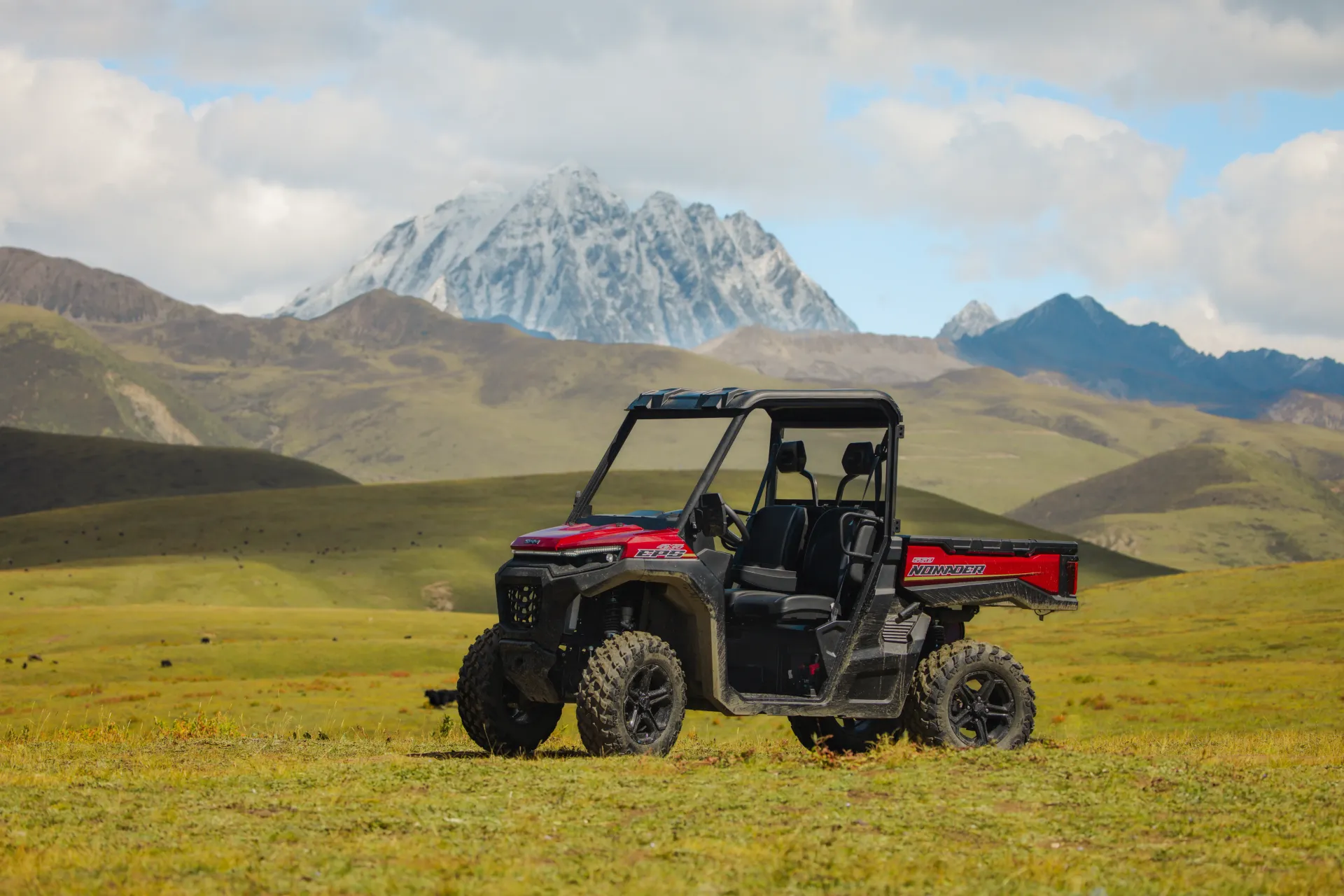 Against the field, the
 For buyers who want to know which machine to put their money behind, the answer depends on priorities. If the goal is pure top-end speed on groomed courses, some rivals match or edge past the SWM figure. But for anyone who races real-world events, where mud, obstacles, and stopwatches appear in the same weekend, the combination of torque, suspension, and reliability makes the SWM SXS the most complete package in its class.
After a full season of back-to-back testing across all three disciplines, the conclusion is easy to summarize: the SWM machine wins the events that require a machine to be more than fast. It wins because it is forgiving when the course gets ugly, dependable when the day gets long, and quick enough to embarrass machines that cost thousands more. That is the kind of victory that shows up in the standings, not just in the spec sheet.
