
 hneyrooes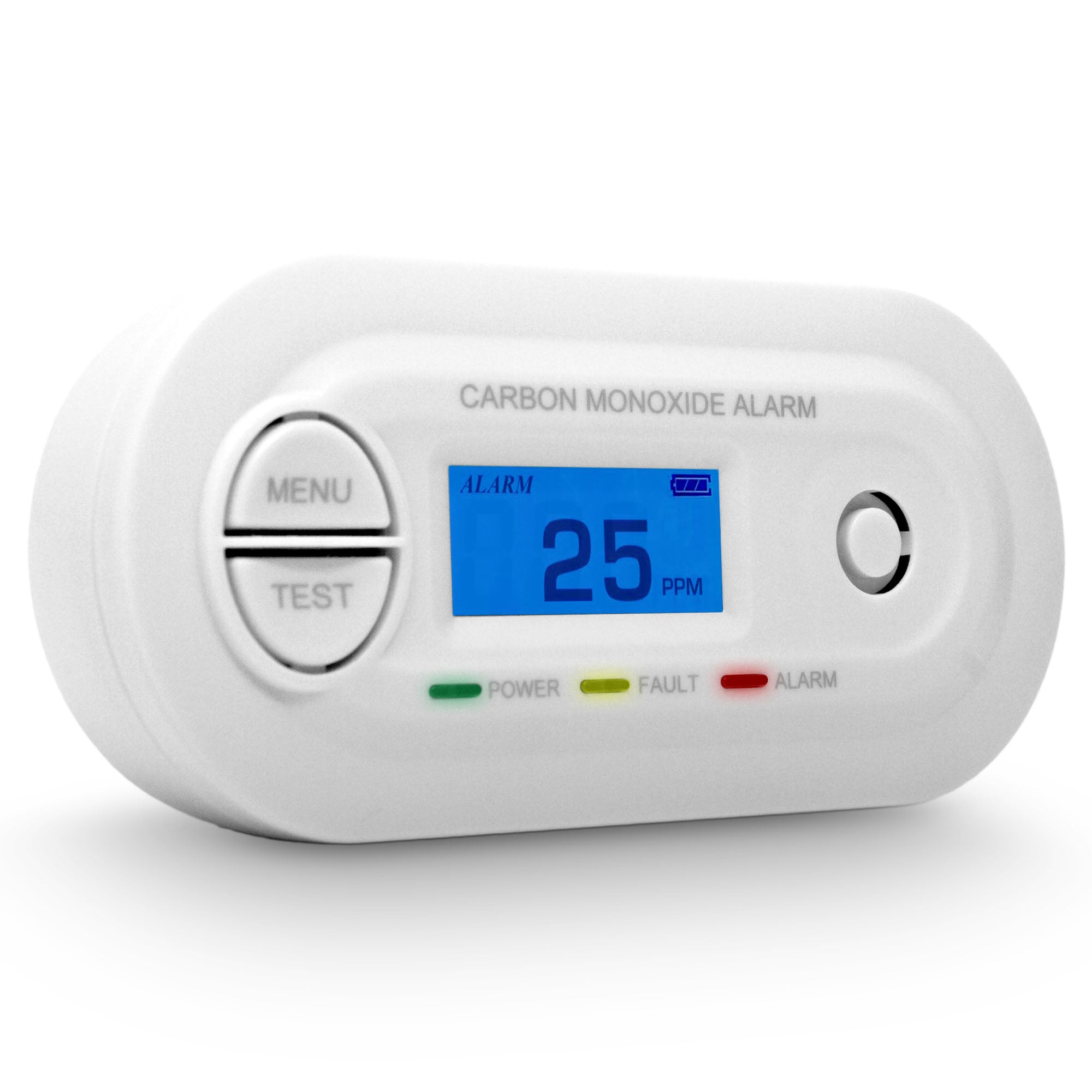
Ensuring safety in industrial and commercial environments is more vital than ever, and one of the most operational ways to protect employees, property, and processes is through gas detection engineering. Harmful gases, whether venomous, combustible material, or combustible, can pose wicked risks if not monitored in effect. Many workplaces still rely on obsolete refuge practices or rare manual of arms checks, going them vulnerable to accidents, restrictive violations, and operational downtime. To combat these risks, gas detectors and molecular sieve filter analyzers have become requisite tools across industries world-wide.
Gas detectors are premeditated to identify the presence of unsafe gases in the air, alerting users before levels become insidious. These devices range from outboard personal monitors to rigid systems installed throughout industrial facilities. Portable detectors are apotheosis for workers in confined or high-risk areas, providing mobility and instant alerts. Fixed detectors, on the other hand, endlessly ride herd on big spaces and are usually organic with dismay systems to mechanically touch off emergency responses in case of insidious gas concentrations.
Gas analyzers take safety and monitoring a step further by not only detection gases but also measurement their concentration and writing. They cater correct readings of chemical environments, which is material for laboratories, chemical substance processing plants, oil and gas facilities, and other industries where precise data is necessary. By understanding gas concentrations, operators can optimise processes, insure compliance with environmental regulations, and keep vulnerable conditions from development.
Key Benefits of Gas Detectors and Gas Analyzers
Investing in gas detection engineering offers five-fold advantages for safety and operational efficiency:
Early Warning and Safety: Immediate alerts help prevent accidents and to deadly or combustible material gases.
Regulatory Compliance: Ensures workplaces meet strict refuge and environmental standards.
Operational Optimization: Accurate gas mensuration supports work verify and timber self-assurance.
Reduced Risk and Liability: Minimizes the chance of workplace incidents that could lead to financial or effectual consequences.
Applications Across Industries
Gas detectors and analyzers are used in a wide variety show of settings, each requiring specific monitoring:
Industrial Manufacturing: Monitoring for combustible material and deadly gases in factories and plants.
Oil and Gas: Detecting leaks, ensuring refuge during and refining trading operations.
Laboratories and Research Centers: Providing precise chemical psychoanalysis and maintaining safe air quality.
Mining and Construction: Protecting workers in restrained spaces from unsafe gas .
Commercial and Residential Buildings: Detecting carbon monoxide and ensuring air quality.
Choosing the Right Gas Detection System
When selecting gas detectors or analyzers, consider sensing element sensitivity, dependableness, and the types of gases to ride herd on. Advanced systems now offer smart engineering desegregation, including remote control monitoring, automated alerts, and data logging, which raise both safety and operational supervision. Choosing a high-quality and sure device is material for long-term potency and minimum sustenance.
Conclusion
Gas detectors and gas analyzers are indispensable tools for Bodoni font refuge, efficiency, and compliance. They provide early on warnings, precise measurements, and perpetual monitoring that protect lives, property, and operations across industries. Whether in manufacturing, oil and gas, minelaying, or commercial buildings, integration these technologies ensures a safer, smarter, and more efficient workings environment. Investing in the right gas detection system of rules is not just a regulatory prerequisite it is a proactive step toward property safety and work .
